
News
Controversial Photo: Officers Pose with Captured Escaped Murderer

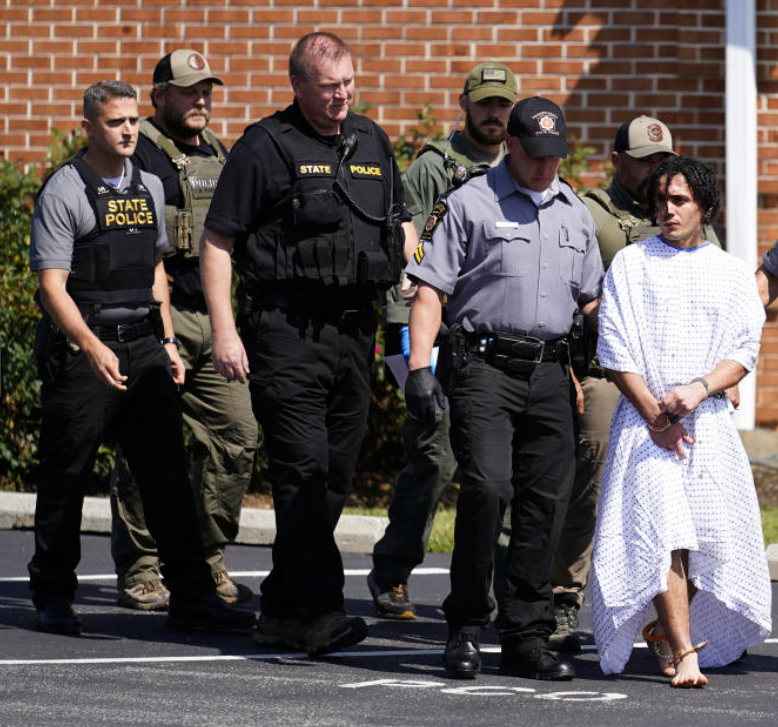
A recent incident involving law enforcement officers posing for a photograph alongside a captured escaped murderer has ignited controversy and raised questions about the appropriateness of such actions. While it is common for officers to document successful apprehensions, experts, and critics argue that posing for a photo with a murderer goes beyond professional conduct and can have significant ethical and public relations implications.
The Escaped Murderer’s Capture
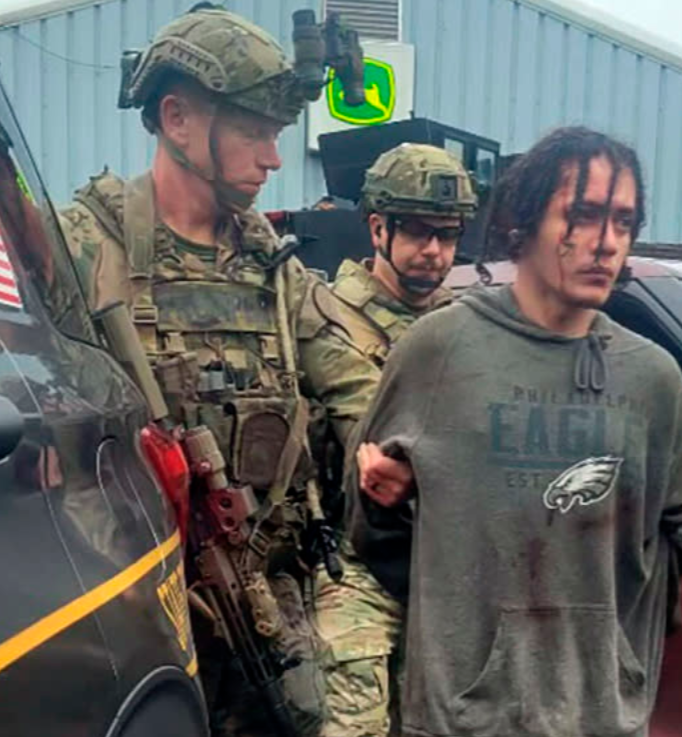
The incident in question centers on the capture of an escaped murderer who had been on the run for an extended period. The escape and subsequent manhunt had garnered widespread media attention and public interest due to the seriousness of the individual’s crimes. Law enforcement agencies had been under immense pressure to locate and detain the fugitive.
The Controversial Photo
Following the successful capture of the escaped murderer, a group of officers chose to commemorate the moment by posing for a photograph with the apprehended individual. The photo, which circulated widely on social media and news outlets, showed officers smiling and giving thumbs-up signs while standing next to the handcuffed and visibly distressed suspect.
Inappropriate Conduct
Experts and critics argue that the officers’ decision to pose for such a photograph was highly inappropriate for several reasons:
- Lack of Professionalism: Law enforcement officers are held to high standards of professionalism and conduct. Posing for a photograph with a handcuffed suspect, especially one accused of such serious crimes as murder, is seen as a violation of these standards. It can undermine public trust and confidence in the police force.
- Insensitive to Victims’ Families: The photograph was seen as insensitive to the families of the victims of the escaped murderer. The public display of joviality and triumph in the presence of the suspect could be perceived as disrespectful to those who had suffered due to the crimes committed.
- Risk of Humanizing the Criminal: Another concern raised by experts is that such photographs can inadvertently humanize the criminal. The act of posing with the apprehended suspect in a seemingly lighthearted manner may give the impression that the seriousness of the crimes has been downplayed or trivialized.
- Impact on Legal Proceedings: The photograph’s release could potentially have legal implications for the ongoing legal proceedings against the captured murderer. Defense attorneys may argue that the photograph biases potential jurors and makes it difficult for the suspect to receive a fair trial.
Police Response
In response to the controversy, the law enforcement agency involved in the capture of the escaped murderer issued a statement condemning the actions of the officers in the photograph. They expressed regret over the incident and emphasized that it did not reflect the values and standards of their department. An internal investigation was launched to determine whether any disciplinary action was warranted.
Conclusion
The photograph of officers posing with a captured escaped murderer has sparked a contentious debate about the appropriate conduct and professionalism expected from law enforcement. While it is crucial to acknowledge the challenging nature of police work and the relief that can come with successfully apprehending a dangerous criminal, it is equally important for officers to uphold the principles of professionalism, respect, and ethical behavior.
In an era when public trust in law enforcement is under scrutiny, incidents like this can further erode the relationship between police and the communities they serve. To maintain public confidence, law enforcement agencies must take such incidents seriously, investigate them thoroughly, and take appropriate action to ensure that they do not occur again in the future.

