
World
Tragedy at the Border: Hundreds of Migrants Killed by Saudi Border Guards – A Disturbing Report


The global migration crisis continues to cast a shadow over humanity, exposing the vulnerabilities and challenges faced by individuals seeking refuge and better lives. In a recent and deeply disturbing revelation, a report has emerged that alleges Saudi border guards have been responsible for the deaths of hundreds of migrants attempting to cross into the kingdom. This tragic incident highlights the perilous journey that migrants undertake and raises critical questions about the responsibility of nations in addressing this crisis with compassion and respect for human rights.
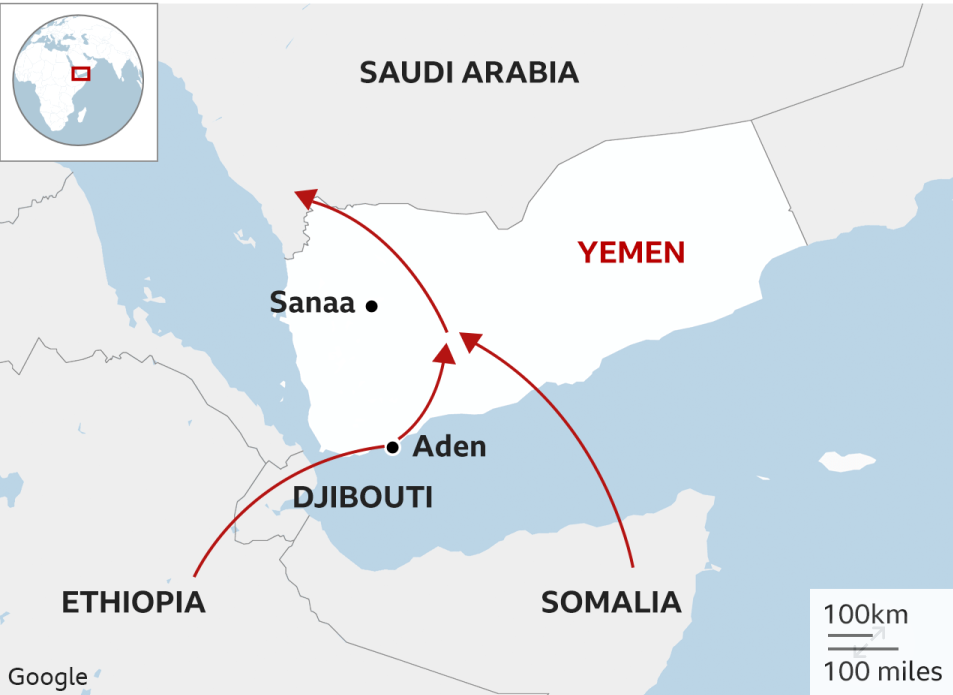
Migrants from various regions often embark on dangerous journeys in search of safety, economic opportunities, and a chance for a better life. Many of them come from conflict-ridden countries or places with limited resources, and their journeys are marked by hardships and risks. These migrants place their hopes in the hands of fate, hoping to find refuge on foreign soil. The alleged incidents involving Saudi border guards, if proven true, add a gruesome dimension to the existing challenges faced by migrants.
The reported deaths of hundreds of migrants at the hands of Saudi border guards serve as a stark reminder of the harsh realities faced by those in search of a better life. The details surrounding the incidents remain murky, but preliminary reports suggest that these migrants, driven by desperation, attempted to cross the Saudi border, only to be met with violence. The scale of this alleged tragedy underscores the dire circumstances migrants face and demands a thorough investigation to ascertain the truth.

If these allegations are substantiated, they point to grave human rights violations committed by the Saudi border guards. Every individual has the right to life and dignity, regardless of their migration status. International agreements, such as the Universal Declaration of Human Rights and the International Covenant on Civil and Political Rights, emphasize the need for governments to uphold these fundamental rights, especially in their treatment of migrants and refugees. The alleged incidents bring into question Saudi Arabia’s adherence to these obligations.
While nations have the right to manage their borders and ensure national security, it is crucial that such measures are carried out with respect for human rights and international law. Balancing security concerns with humanitarian values is a complex task, but it is imperative that governments find ways to address border management without resorting to excessive force or violating the rights of vulnerable individuals. The alleged use of lethal force against migrants prompts discussions about the ethical and legal limits of border control practices.
The tragedy involving Saudi border guards serves as a painful reminder of the broader global migration crisis that continues to unfold. The incident underscores the need for international cooperation and dialogue to address the root causes of migration, including conflict, poverty, and lack of opportunities. Focusing solely on border enforcement overlooks the underlying complexities that force individuals to embark on perilous journeys. The international community must collaborate to develop comprehensive solutions that prioritize human lives and well-being.
To address the allegations of migrant deaths, a thorough and impartial investigation is essential. Holding those responsible accountable is not only a matter of justice but also a message that such actions will not be tolerated. Transparent investigations, coupled with appropriate consequences for wrongdoers, are necessary steps to rebuild trust and ensure that similar incidents are prevented in the future. The international community should monitor the progress of these investigations and hold governments accountable for their actions.
The alleged deaths of hundreds of migrants at the hands of Saudi border guards highlight the urgency of reevaluating global attitudes toward migration. It is a call for empathy and solidarity, urging nations to approach the migration crisis with humanity, understanding, and a commitment to safeguarding human rights. By addressing the underlying causes of migration, strengthening international cooperation, and ensuring the humane treatment of migrants, nations can work collectively to prevent such tragedies from recurring.
The alleged deaths of hundreds of migrants at the hands of Saudi border guards represent a heartbreaking chapter in the global migration crisis. This disturbing incident serves as a wake-up call for nations and the international community to recommit to protecting the rights and dignity of all individuals, regardless of their migration status. By fostering understanding, cooperation, and a shared commitment to human rights, the global community can strive to prevent future tragedies and pave the way for a more just and compassionate world.

