
World
Militant Occupation of School Complex in Lebanon’s Largest Palestinian Camp: UN Condemns Escalation Amidst Clashes

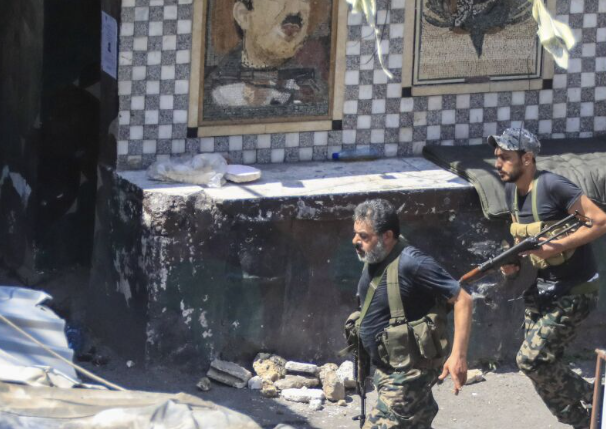
The United Nations (UN) has issued a grave concern over the occupation of a school complex by militants in Lebanon’s largest Palestinian refugee camp, Ain al-Hilweh, following clashes in the area. The escalation of violence and the occupation of an educational institution, a place of refuge and learning for displaced communities, have raised alarm bells among international organizations and human rights advocates. This incident sheds light on the ongoing challenges faced by Palestinian refugees in Lebanon and underscores the importance of addressing conflict dynamics within the camp to ensure the safety and well-being of its inhabitants.
Ain al-Hilweh is located in the southern city of Sidon in Lebanon and is the largest Palestinian refugee camp in the country. It has a long history of housing Palestinian refugees who were displaced as a result of conflicts in the region, primarily the Israeli-Palestinian conflict. The camp is known for its overcrowded conditions, limited resources, and complex political and security dynamics. These factors create an environment ripe for tension and violence, often leading to clashes between different groups within the camp.
The UN’s expression of grave concern over the occupation of a school complex within the Ain al-Hilweh refugee camp underscores the severity of the situation. The occupation of an educational institution not only disrupts the lives of residents who seek refuge within the camp but also undermines the fundamental right to education for the camp’s children and youth. Schools are meant to be safe spaces where knowledge is imparted and futures are nurtured; their militarization disrupts this essential function and perpetuates cycles of violence.
The occupation of the school complex follows clashes that erupted within the camp, underscoring the volatile nature of the situation. Clashes are often rooted in historical grievances, political rivalries, and competition for power and influence within the camp. The occupation of the school complex exacerbates tensions and carries significant security implications. The presence of militants in such a strategic location can potentially escalate violence, jeopardizing the safety and well-being of not only the camp’s residents but also neighboring communities.
The occupation of the school complex further exacerbates the challenges faced by Palestinian refugees in Ain al-Hilweh. Displaced from their homes and living in cramped conditions, refugees in the camp already contend with limited access to basic services such as healthcare, sanitation, and employment opportunities. The presence of militants and the militarization of communal spaces add an additional layer of instability, compounding the hardships faced by the camp’s inhabitants.
The militarization of a school complex also raises significant humanitarian concerns. Educational institutions play a vital role in providing a sense of normalcy and stability to communities affected by conflict and displacement. The occupation disrupts the delivery of essential services, including education, to vulnerable children and families who have already endured significant hardships. Humanitarian agencies often struggle to deliver aid and support under such circumstances, potentially leaving refugees even more isolated and vulnerable.
The UN’s response to the situation highlights the urgent need for international intervention and diplomacy to address the escalating tensions in Ain al-Hilweh. Collaborative efforts involving relevant stakeholders, including the Lebanese government, Palestinian authorities, and international organizations, are crucial to prevent further violence and facilitate a peaceful resolution. Diplomatic initiatives must address the root causes of conflict within the camp and prioritize the well-being of its residents.
Addressing the challenges in Ain al-Hilweh requires a comprehensive and long-term approach. Empowering Palestinian refugees through access to education, economic opportunities, and basic services is essential to breaking cycles of violence and displacement. Investments in infrastructure and reconstruction efforts can create an environment conducive to stability and growth. Moreover, diplomatic efforts should prioritize addressing the underlying political and social issues that fuel tensions and violence within the camp.
The occupation of a school complex by militants within Lebanon’s largest Palestinian refugee camp, Ain al-Hilweh, is a distressing development that demands urgent attention and action. The UN’s grave concern reflects the severity of the situation and underscores the need for international intervention, diplomacy, and collaboration to address the underlying causes of conflict within the camp. It is imperative that efforts be directed toward creating an environment that upholds the rights and well-being of Palestinian refugees, ensures access to education and essential services, and fosters conditions for stability and growth. By working collectively to address these challenges, the international community can strive to bring lasting peace and security to Ain al-Hilweh and its residents.

