
News
Water Levels Plummet in Nova Kakhovka: Implications and Response


Water is a vital resource that sustains ecosystems and supports human activities. However, in Nova Kakhovka, a city in Ukraine, water levels have dramatically fallen, creating a concerning situation for the region. This article aims to delve into the factors contributing to the decline in water levels, explore the implications for the local community, and analyze the response taken by officials in addressing the issue.
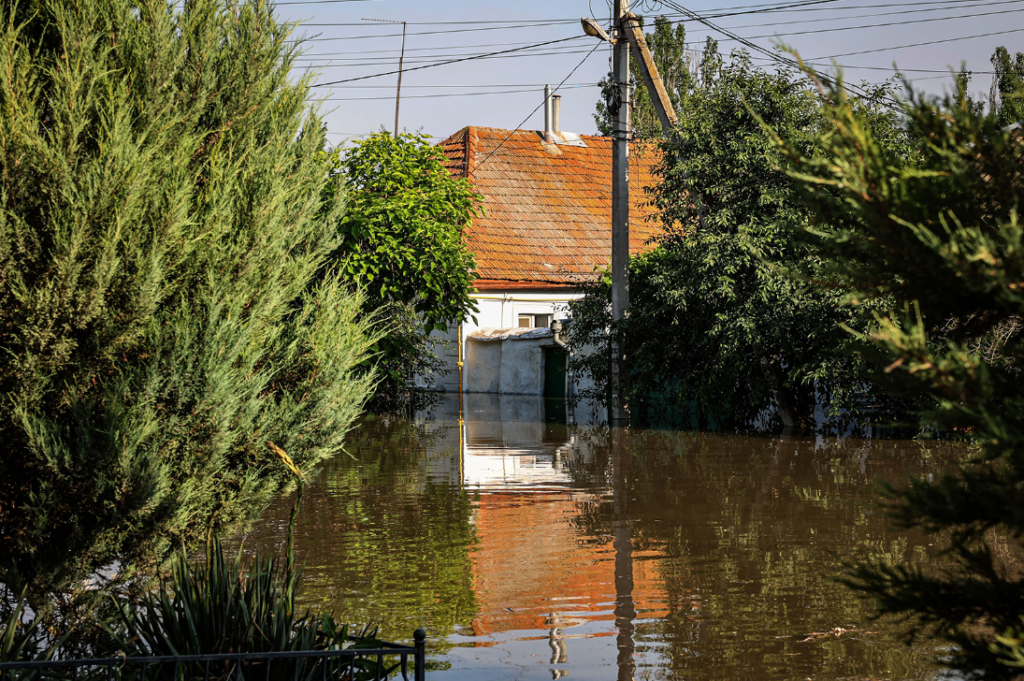
I. Background and Factors Leading to Water Level Decline (400 words) Nova Kakhovka, located in the Kherson Oblast of Ukraine, is known for its proximity to the Kakhovka Reservoir, a major water source that plays a crucial role in supporting irrigation, industry, and domestic water supply in the region. The decline in water levels in the reservoir has raised concerns among residents and officials.
Several factors contribute to the water level decline in Nova Kakhovka. First and foremost is the prolonged drought that has afflicted the region. Insufficient rainfall over an extended period has led to reduced inflow into the reservoir, resulting in a gradual decrease in water levels. Climate change, with its unpredictable weather patterns, has exacerbated the situation, making the region more susceptible to prolonged dry spells.
Another factor impacting water levels is upstream water usage and management practices. Upstream dam construction, irrigation activities, and the extraction of water for various purposes can reduce the amount of water flowing downstream to Nova Kakhovka. Coordination and cooperation among stakeholders are crucial to ensure equitable water distribution and sustainable resource management.
II. Implications for the Local Community (500 words) The plummeting water levels in Nova Kakhovka have far-reaching implications for the local community and the environment. The foremost concern is the impact on agriculture, as the region heavily relies on irrigation for crop cultivation. Insufficient water availability hampers agricultural productivity, affecting farmers’ livelihoods and potentially leading to food security issues. Crop failures and reduced yields have financial repercussions, putting farmers at risk of economic instability.
The decline in water levels also poses challenges for industrial activities in Nova Kakhovka. Industries that rely on a steady supply of water for production processes, such as manufacturing and energy generation, may face disruptions. This can result in reduced productivity, job losses, and economic downturns, affecting the overall well-being of the community.
Furthermore, dwindling water levels have environmental consequences. The Kakhovka Reservoir serves as a critical habitat for diverse aquatic species. A significant reduction in water levels threatens the survival of these species and disrupts the delicate balance of the ecosystem. It can lead to the degradation of water quality, the loss of biodiversity, and the disruption of ecological processes.
III. Response and Mitigation Efforts (500 words) Recognizing the severity of the situation, officials in Nova Kakhovka have undertaken measures to address the declining water levels and mitigate the associated challenges. Collaborative efforts have been initiated between local authorities, government agencies, and stakeholders to tackle the issue comprehensively.
To alleviate the immediate impact on agriculture, water conservation, and management strategies have been implemented. These include promoting efficient irrigation techniques, encouraging the use of drought-tolerant crops, and raising awareness among farmers about water-saving practices. Additionally, exploring alternative water sources, such as groundwater, can help alleviate the strain on the Kakhovka Reservoir.
Cooperation with neighboring regions and international entities has also been sought to address the upstream water management issues. Negotiations and agreements aim to establish equitable sharing of water resources and sustainable practices that consider the needs of all stakeholders involved. The involvement of international organizations and experts can provide valuable insights and support in developing effective water management strategies.

