
News
Tinubu’s Role in Removing Nigeria’s Problematic Petrol Subsidy and Averting a Revolt

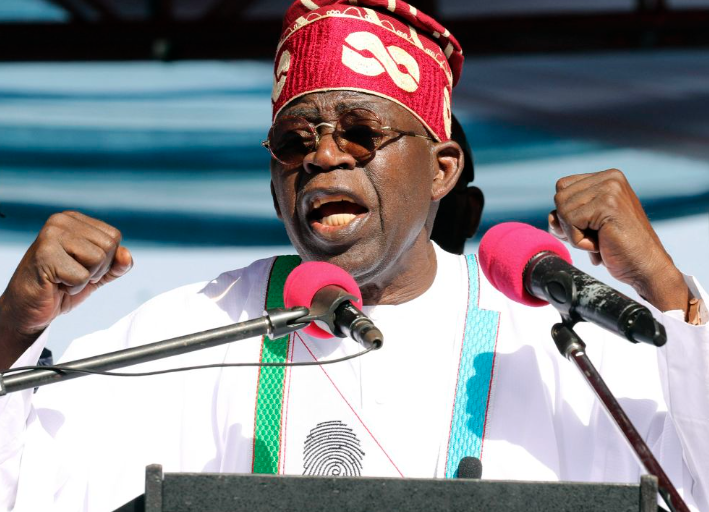
Nigeria, as a major oil-producing nation, has long grappled with the issue of petrol subsidies. This controversial policy, aimed at reducing fuel costs for citizens, has proven to be financially burdensome and riddled with corruption. The significant role played by influential politician Bola Ahmed Tinubu in removing Nigeria’s problematic petrol subsidy and the potential social and economic consequences that were averted as a result of this bold move.
Background on Nigeria’s Petrol Subsidy Nigeria, blessed with abundant oil reserves, historically implemented a petrol subsidy policy to cushion the impact of rising fuel prices on its citizens. However, over time, this policy became marred by inefficiencies, mismanagement, and rampant corruption. The subsidy program drained the country’s finances, perpetuated black market activities, and hindered economic development. The need for subsidy reform became increasingly evident.
Tinubu’s Influence and Advocacy for Subsidy Removal Bola Ahmed Tinubu, a prominent Nigerian politician and former governor of Lagos State, recognized the urgent need for petrol subsidy removal. Tinubu’s deep understanding of economic principles and his commitment to good governance positioned him as a strong advocate for reform. He highlighted the detrimental effects of the subsidy, including its impact on the national budget, the diversion of funds, and the opportunities for corruption.
Tinubu engaged in extensive consultations with experts, economists, and stakeholders, making a persuasive case for the removal of the petrol subsidy. His efforts were aimed at gaining public support, promoting transparency, and addressing the potential backlash that might arise from this significant policy shift.
Removing the Subsidy: Challenges and Benefits The removal of the petrol subsidy was not without its challenges. It required a delicate balance between economic realities, social implications, and political considerations. Tinubu’s leadership and ability to navigate these complexities played a crucial role in ensuring the success of the reform.
One of the immediate benefits of subsidy removal was the significant financial relief for the Nigerian government. The funds previously allocated to the subsidy program could be redirected towards essential sectors, such as healthcare, education, infrastructure development, and social welfare programs. This enabled the government to make substantial investments in areas that directly impacted the lives of Nigerian citizens.
Moreover, the removal of the subsidy encouraged investment in the domestic oil sector. With the market now driven by market forces, the sector became more attractive to both local and international investors. This resulted in increased competition, improved efficiency, and the potential for economic growth and job creation.
Averting Social Unrest and Empowering the Vulnerable Tinubu’s strategic approach to subsidy removal not only averted potential social unrest but also paved the way for targeted interventions to empower vulnerable segments of society. Recognizing that subsidy removal would impact lower-income households, Tinubu advocated for the implementation of social safety net programs.
These programs, funded by the savings from subsidy removal, focused on providing direct support to the most vulnerable citizens. Cash transfer programs, targeted subsidies for essential commodities, and improved access to healthcare and education were introduced to cushion the impact of increased fuel prices on the poor.
By ensuring that the benefits of subsidy removal were equitably distributed, Tinubu’s approach not only addressed the immediate concerns of the marginalized but also fostered social cohesion and stability. The targeted interventions aimed to alleviate poverty, reduce inequality, and uplift communities that had historically been left behind.

