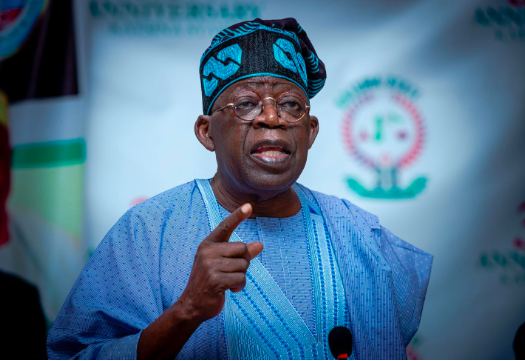
President Tinubu has defended his administration’s economic reforms, stating that the removal of fuel subsidy and the foreign exchange reforms were essential measures to stop Nigeria from drifting into economic collapse.
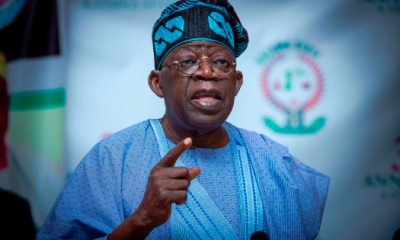
Speaking at a panel session during the Africa CEO Forum held in Kigali on Friday, Bola Tinubu reaffirmed his administration’s commitment to ongoing economic reforms, describing them as necessary measures to rebuild and stabilise Nigeria’s economy despite the hardship they have caused.
Tinubu argued that the country could no longer afford the fuel subsidy regime, which he said encouraged corruption, smuggling and serious distortions within the economy. He recalled that before the reforms were introduced, many state governments struggled to meet salary obligations even though Nigeria is a major oil-producing nation.
Looking ahead to the 2027 elections, the President insisted that his administration would not shy away from implementing difficult policies required to sustain economic recovery and long-term growth. He said the reforms initially attracted criticism and resistance, but maintained that they have since improved economic stability and created a more predictable environment for investors and policymakers.
MUST READ: Nyesom Wike Dismisses PDP-APM Alliance as “political 419” – says Makinde’s presidential bid dead on arrival
Drawing an analogy with childbirth, Tinubu said the reform process may be painful at the moment, but would eventually deliver positive results for Nigerians.
The President also defended the government’s tax policies, stressing that taxation remains essential for financing infrastructure, healthcare, education and other critical sectors. According to him, citizens must recognise that no government can provide quality public services or support vulnerable populations without generating adequate revenue through taxes.
He further highlighted several social intervention programmes being implemented by his administration, including direct cash support and education-focused initiatives designed to help disadvantaged families keep their children in school.
On economic and industrial development, Tinubu said the government would continue supporting indigenous companies with the capacity to create employment opportunities and strengthen local production. He added that the administration approved the sale of crude oil to the refinery in naira to reduce pressure on foreign exchange and address operational challenges within the sector.
Speaking on infrastructure, the President defended the ongoing Lagos-Calabar Coastal Highway project, describing it as a major economic initiative aimed at boosting tourism, improving regional integration and expanding economic opportunities across southern Nigeria. He explained that the highway would link major commercial hubs while promoting the use of locally manufactured materials such as cement and steel.
On security and foreign relations, Tinubu emphasised the importance of collaboration with neighbouring African countries and international partners, noting that Nigeria cannot tackle regional security threats in isolation. He reaffirmed Nigeria’s commitment to maintaining its leadership position in West Africa and promoting peace and stability across the region.