
Africa
Nigerians Express Concern Over the Implications of ECOWAS Troop Deployment:

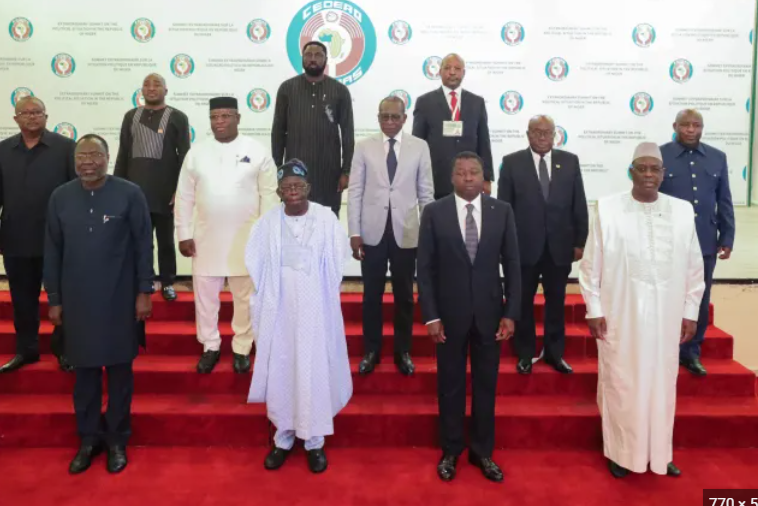
The Economic Community of West African States (ECOWAS), a regional organization committed to promoting peace, stability, and economic integration, has recently ordered the deployment of troops to address a pressing crisis within Niger. However, this decision has ignited a wave of controversy and concern among Nigerians. As citizens express their reservations about the deployment, it becomes imperative to explore the implications of ECOWAS’ troop deployment and the reasons behind the widespread opposition within Nigeria.
ECOWAS’ decision to deploy troops is an intervention aimed at addressing a crisis or conflict within a member state, with the goal of restoring peace, stability, and security. Such deployments are part of the organization’s commitment to regional cooperation and conflict resolution. In the case of Niger, troop deployment is a response to a specific situation that has raised alarms within the region.
The Nigerian Perspective
However, despite the well-intentioned motives behind ECOWAS’ troop deployment, many Nigerians have expressed strong reservations and kicked against the move. These expressions of dissent raise important questions about the implications of the deployment, the concerns of Nigerian citizens, and the need for a thorough examination of the situation at hand.
- Sovereignty and National Pride: One of the key concerns voiced by Nigerians is the perceived erosion of national sovereignty. The deployment of foreign troops on Niger soil can be seen as an infringement on the nation’s independence and the ability to address internal matters without external intervention. Many citizens view this deployment as a potential blow to Niger’s national pride and the principle of self-determination.
- Internal Conflict Resolution: Critics argue that the deployment of troops may undermine efforts by Nigerians to address and resolve internal conflicts. While ECOWAS’ intervention may be well-intentioned, some Nigerians believe that it could hinder local efforts to find peaceful solutions and manage the crisis through domestic means.
- Political and Economic Implications: The deployment of foreign troops can have far-reaching political and economic implications. Concerns have been raised about how the presence of troops could influence local politics, impact governance, and potentially disrupt economic activities. Citizens fear that the intervention may inadvertently alter the course of the nation’s trajectory.
- Communication and Consent: Some Nigerians express frustration over what they perceive as a lack of adequate communication and consultation regarding troop deployment. Citizens believe that a more transparent and consultative approach should have been taken, with their concerns and voices considered before such a significant decision was made.
- Regional Perceptions: The deployment has also sparked discussions about Nigeria’s image and role within the West African region. Some argue that the intervention could cast Nigeria in a negative light, potentially weakening its standing as a regional leader and affecting its influence within ECOWAS.
Addressing Concerns and Finding Common Ground
It is essential for ECOWAS and the Nigerian government to address the concerns raised by citizens in a constructive manner. This may involve engaging in transparent communication, ensuring that the deployment aligns with the nation’s best interests, and considering alternatives that allow for a collaborative approach to crisis resolution. While the regional organization seeks to fulfill its mandate of promoting peace, it must also take into account the unique context and dynamics of each member state.
Conclusion
The ECOWAS troop deployment in response to a crisis in Niger underscores the delicate balance between regional intervention and national sovereignty. The widespread opposition among Nigerians highlights the complexities surrounding such decisions, including concerns about sovereignty, internal conflict resolution, political and economic implications, communication, and regional perceptions. As ECOWAS and the Nigerian government navigate this situation, it is imperative to address citizens’ concerns, foster open dialogue, and find common ground that respects both the principles of regional cooperation and the nation’s autonomy. Balancing these factors is key to ensuring that the deployment serves its intended purpose of fostering peace and stability while respecting the voices and aspirations of Nigerian citizens.

