
News
Amid Warnings, Death Toll Reaches 96 in Maui Wildfires As It Could Rise Further

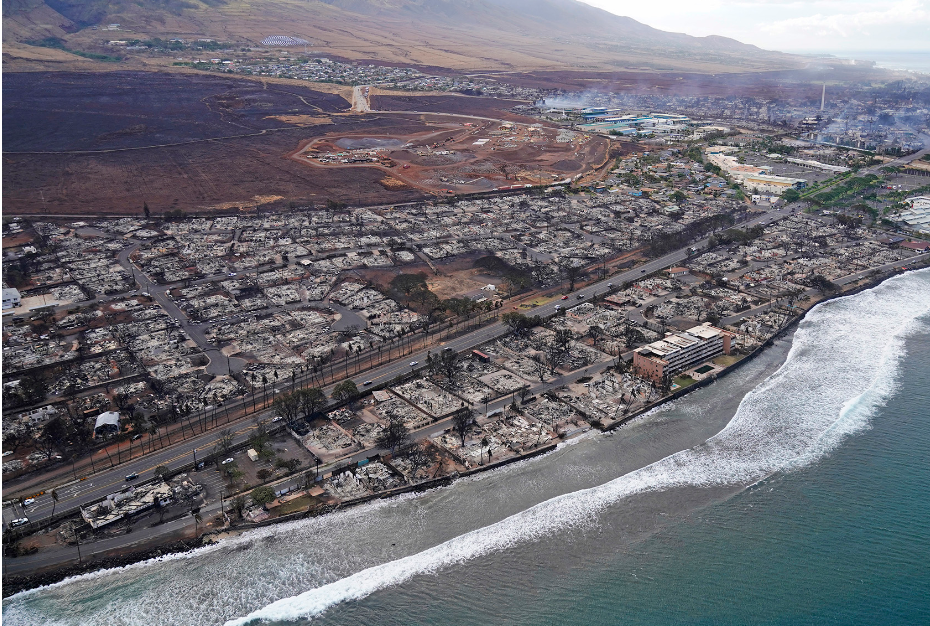
The idyllic landscape of Maui, known for its stunning beaches and lush scenery, has been plunged into a state of despair as a devastating wildfire rages across the island. With an alarming death toll of 96 individuals, the heart-wrenching consequences of the Maui wildfires have left communities in shock and mourning. As firefighters battle tirelessly to contain the inferno, experts warn that the death toll could potentially rise further, underscoring the urgent need for coordinated efforts to combat and prevent such tragedies in the future.
The Unfolding Crisis
The Maui wildfires erupted unexpectedly, catching both residents and authorities off guard. Fueled by a combination of strong winds, dry conditions, and dense vegetation, the flames spread rapidly across the island, leaving destruction in their wake. The fire devoured homes, businesses, and acres of pristine natural habitat, forcing thousands to evacuate as the situation quickly escalated into a full-blown crisis.
Local firefighters, alongside state and federal teams, worked tirelessly to gain control over the inferno. Their bravery and dedication were evident as they battled through treacherous terrain and dangerous conditions to contain the blaze. Despite their valiant efforts, the fire’s unrelenting momentum and unpredictable behavior posed significant challenges, making it difficult to predict the extent of the devastation.
Rising Death Toll and Shattered Lives
As the days unfolded, the gravity of the tragedy became all too apparent. The death toll, which initially stood at a devastating 96 lives lost, continued to rise as search and rescue teams combed through the charred remnants of neighborhoods. Families were shattered, communities left in mourning, and the island’s spirit was forever scarred by the loss of loved ones. Each victim had a story, dreams, and aspirations, abruptly cut short by the merciless flames.
The victims encompassed a diverse cross-section of the Maui population, further highlighting the indiscriminate nature of the disaster. Among the casualties were first responders who courageously faced the inferno head-on, demonstrating their unwavering commitment to protecting their community. The loss of these brave individuals serves as a sad reminder of the sacrifices made by those who put their lives on the line to ensure the safety of others.
Warnings of Potential Escalation
While efforts to contain the Maui wildfires continue, experts remain gravely concerned about the potential for the death toll to rise even further. The combination of challenging terrain, rapidly shifting winds, and the unpredictability of wildfires presents a formidable challenge for firefighting efforts. Moreover, the massive scale of the disaster has stretched resources to their limits, underscoring the urgent need for additional support and reinforcements.
Meteorologists and fire behavior analysts have been closely monitoring weather patterns and fire dynamics to provide crucial insights into the fire’s behavior. Their observations underscore the need for enhanced predictive modeling to anticipate potential changes in the fire’s trajectory. This knowledge is pivotal in enabling authorities to make informed decisions regarding evacuation orders, resource allocation, and strategic firefighting efforts.
Preventing Future Tragedies
The devastating impact of the Maui wildfires serves as a stark reminder of the need for comprehensive wildfire prevention and management strategies. Climate change, coupled with urban sprawl and inadequate land management practices, has contributed to the increasing frequency and severity of wildfires across the globe. As such, communities must work together to implement proactive measures that mitigate the risk of future tragedies.
- Community Education: Public awareness campaigns are vital in educating residents about fire safety measures, evacuation procedures, and the importance of maintaining defensible spaces around their properties. Empowering individuals with knowledge can significantly reduce the risk of wildfire-related fatalities.
- Effective Land Management: Proper land management, including controlled burns and vegetation management, can help reduce the availability of fuel for wildfires. Collaborative efforts between government agencies, landowners, and communities are essential in implementing and maintaining these practices.
- Investment in Technology: Advancements in technology, such as early warning systems, remote sensing, and predictive modeling, can enhance our ability to monitor and respond to wildfires effectively. Investing in these tools can provide crucial insights into fire behavior, enabling authorities to make informed decisions.
- Resource Allocation and Coordination: Adequate allocation of resources and effective coordination between local, state, and federal agencies are crucial in responding to wildfire emergencies. Strengthening interagency collaboration can improve the speed and efficiency of firefighting efforts.
- Climate Change Mitigation: Addressing the root causes of wildfires requires a comprehensive approach to climate change mitigation. Transitioning to sustainable energy sources, reducing carbon emissions, and implementing policies prioritizing environmental stewardship can contribute to a safer future.
The tragedy of the Maui wildfires, with a death toll of 96 and the potential for further escalation, serves as a harrowing reminder of the destructive power of nature and the urgent need for proactive wildfire prevention and management strategies. The loss of lives, homes, and livelihoods underscores the importance of community resilience, effective resource allocation, and scientific advancements in predicting and mitigating the impact of wildfires. As Maui and other communities grapple with the aftermath of this devastating event, the call to action becomes clear: we must work collaboratively to prevent such tragedies from occurring in the future and ensure the safety and well-being of our communities.

