
Politics
The Reason INEC Wants to Review Operations of the 2023 General Elections in Nigeria


The Independent National Electoral Commission (INEC) in Nigeria has announced its intention to conduct a comprehensive review of the operations and processes employed during the 2023 general elections. This move comes in response to various concerns and challenges that arose during the electoral process. The review aims to identify areas for improvement, address shortcomings, and strengthen the credibility and transparency of future elections in Nigeria. we will explore the significance of this review, the expected outcomes, and its implications for the democratic process in the country.
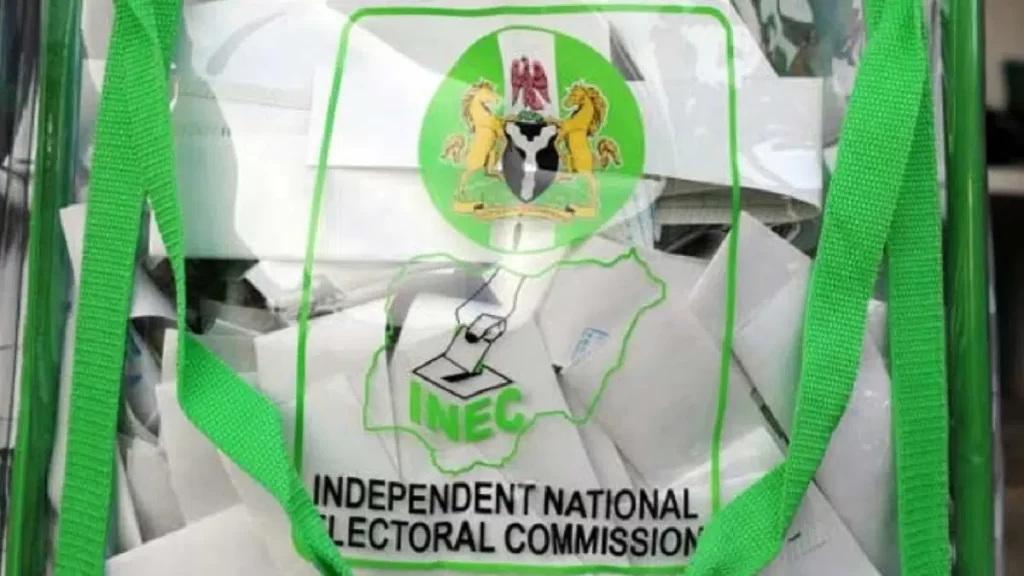
The Need for a Review (approx. 300 words): The decision to review the operations of the 2023 general elections stems from the recognition of the challenges and criticisms faced by INEC. The electoral process witnessed various issues such as logistical problems, delays, voter suppression allegations, violence, and irregularities. These concerns have undermined public confidence in the electoral system and raised doubts about the integrity of the results.
By conducting a thorough review, INEC aims to address these issues and identify the root causes of the problems encountered. It seeks to ensure that future elections are conducted with greater efficiency, fairness, and transparency. The review process is expected to provide valuable insights into the shortcomings and areas that require improvement within the electoral system.
Key Areas of Focus; The review will likely encompass multiple aspects of the electoral process. Some of the key areas that may come under scrutiny include:
- Voter Registration and Verification: INEC may evaluate the effectiveness of the voter registration process, including the accuracy and accessibility of voter rolls. The review may also focus on the efficiency and reliability of voter verification mechanisms, such as the use of biometric technology.
- Logistics and Planning: The review is likely to examine the logistical challenges encountered during the 2023 elections, such as the distribution of election materials, the adequacy of polling stations, and the timely deployment of personnel and equipment. Efforts may be made to streamline the planning process and enhance coordination among stakeholders.
- Security and Violence Mitigation: Given the instances of violence witnessed during the 2023 elections, the review may assess the security measures in place and explore strategies for preventing or mitigating election-related violence. Collaboration with security agencies and the development of comprehensive security plans may be emphasized.
- Technology and Result Collation: The use of technology in the electoral process may undergo scrutiny to evaluate its effectiveness and identify any vulnerabilities. INEC may assess the electronic transmission and collation of results, ensuring the security and reliability of these systems.
- Electoral Offenses and Accountability: The review process may examine the enforcement of electoral laws and the handling of electoral offenses. It may emphasize the need for swift investigations and prosecutions to deter malpractice and promote accountability among political actors.
Outcomes and Implications; The review of the operations of the 2023 general elections in Nigeria is expected to yield several outcomes with implications for the future of the democratic process in the country.
- Enhanced Credibility and Trust: A transparent and robust review process can help restore public confidence in the electoral system. By addressing shortcomings and implementing necessary improvements, INEC can enhance the credibility of future elections and strengthen trust among voters, political parties, and other stakeholders.
- Strengthened Institutional Capacities: The review process presents an opportunity for INEC to identify gaps in its institutional capacities and address them accordingly. This may involve enhancing the training of personnel, adopting advanced technologies, improving collaboration with relevant agencies, and developing better contingency plans.
- Legal and Policy Reforms: The review may also lead to the identification of legal and policy reforms required to address challenges in the electoral process. These reforms may include amendments to electoral acts.

