
News
Disaster Struck the Mediterranean Sea as a boat carrying migrants capsized

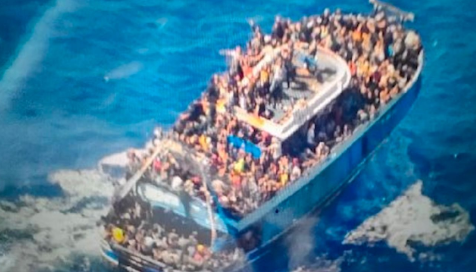
tragedy struck the Mediterranean Sea as a boat carrying migrants capsized, resulting in the loss of over 300 lives. The victims, hailing from Pakistan, embarked on a perilous journey in search of better economic prospects and safety. This devastating incident highlights the ongoing challenges faced by migrants attempting dangerous crossings in search of a better life. In this article, we will delve into the details of the Mediterranean boat disaster, explore the circumstances surrounding the incident, discuss the broader issue of migration, and address the urgent need for international cooperation to address the root causes and ensure the safety of vulnerable migrants.
The boat disaster in the Mediterranean Sea occurred as a vessel carrying more than 300 Pakistani migrants capsized off the coast. The exact cause of the capsizing remains unclear, but it is suspected that overcrowding, poor vessel conditions, and adverse weather conditions may have contributed to the tragedy. The victims, including men, women, and children, were seeking a better life and opportunities, and their journey ended in a heartbreaking loss of lives.
The incident serves as a grim reminder of the dangers faced by migrants attempting to cross the Mediterranean Sea. Over the years, the Mediterranean route has become one of the most perilous migration routes in the world, with thousands of lives lost at sea. Desperate individuals and families risk their lives on overcrowded and unseaworthy boats, driven by the hope of escaping poverty, conflict, or persecution in their home countries.
Challenges and Root Causes of the Mediterranean boat disaster are a tragic consequence of various interconnected challenges and root causes. These include economic disparities, political instability, conflicts, and the lack of safe and legal migration channels.
- Economic Disparities: Many migrants, including those from Pakistan, undertake perilous journeys in search of better economic prospects. Economic inequalities and limited opportunities in their home countries drive them to take desperate measures, risking their lives in the hope of finding improved livelihoods elsewhere.
- Political Instability and Conflicts: Political instability, armed conflicts, and persecution in various regions force people to flee their homes and seek refuge elsewhere. The lack of security and basic human rights compels individuals and families to embark on treacherous journeys, often in the hands of smugglers and human traffickers.
- Lack of Safe and Legal Migration Channels: The absence of safe and legal migration channels exacerbates the risks faced by migrants. Limited options for regular migration push individuals to resort to irregular means, including dangerous sea crossings. Establishing safe and legal pathways for migration is crucial to provide viable alternatives and reducing the reliance on perilous routes.
International Cooperation and Responsibilities Addressing the challenges posed by irregular migration and preventing tragedies like the Mediterranean boat disaster requires international cooperation, shared responsibilities, and comprehensive strategies.
- Enhanced Search and Rescue Operations: Strengthening search and rescue operations in the Mediterranean Sea is paramount to preventing loss of lives. European nations, in collaboration with international organizations, should allocate sufficient resources and improve coordination to ensure timely and effective responses to distress calls and emergencies at sea.
- Tackling Root Causes: Addressing the root causes of irregular migration, including poverty, inequality, conflicts, and political instability, is essential. The international community should work towards promoting peace, stability, and economic development in source countries, while also addressing issues such as corruption, human rights abuses, and governance challenges.
- Providing Safe and Legal Migration Avenues: Expanding safe and legal migration pathways is crucial to reduce the reliance on dangerous sea crossings. This includes increasing resettlement opportunities, implementing family reunification programs, and exploring avenues for temporary labor migration. Such measures can help individuals migrate in a safe and orderly manner.

