News
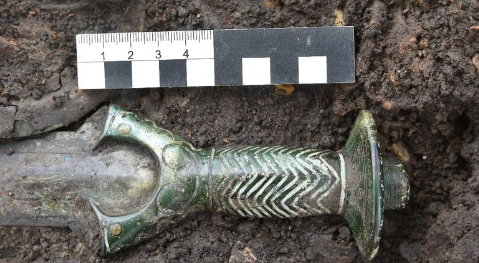
The remarkable archaeological discovery of a 3,000-Year-Old Sword So Well Preserved It’s Still Gleaming

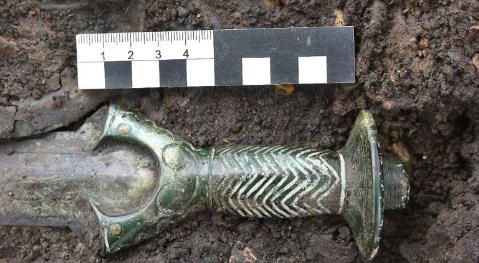
In a remarkable archaeological discovery, a team of researchers has unearthed a 3,000-year-old sword that is exceptionally well-preserved. The sword’s remarkable condition has astounded experts, as it still gleams with a brilliant shine, showcasing the incredible craftsmanship of its ancient creators. This find offers a unique window into the past, shedding light on the advanced metalworking techniques and cultural significance of weaponry in ancient civilizations. In this article, we will delve into the details of this extraordinary find, examining the historical context, the sword’s preservation, and the implications of this discovery for our understanding of ancient societies.
The discovery of the remarkably well-preserved sword occurred during an archaeological excavation at a site believed to have been a ceremonial burial ground of an ancient civilization. The excavation took place in a region known to have been inhabited by a sophisticated civilization approximately 3,000 years ago.
The sword, crafted from bronze, was found in close proximity to a burial mound, suggesting its ceremonial or symbolic significance. Swords of this nature were often associated with high-ranking individuals or warriors in ancient societies, serving as symbols of power, authority, and prestige. The specific design elements and decorations on the sword can provide valuable insights into the culture and beliefs of the civilization that created it.
Exceptional preservation of the 3,000-year-old sword has captivated archaeologists and experts in the field. The sword’s gleaming condition can be attributed to several factors, including the burial environment and the craftsmanship of the ancient metallurgists.
The burial environment played a crucial role in preventing the sword’s deterioration. The presence of specific minerals in the soil, such as copper salts, may have created a protective layer on the sword’s surface, shielding it from corrosion. Additionally, the absence of oxygen and moisture in the burial environment would have impeded the process of oxidation, further contributing to the sword’s preservation.
The remarkable craftsmanship of the ancient metallurgists is another key factor in the sword’s preservation. The advanced metalworking techniques employed during the sword’s creation resulted in a durable and resilient weapon. The skillful combination of copper and tin to create bronze, along with meticulous forging and tempering processes, contributed to the sword’s resistance to corrosion and ensured its long-term preservation.
The discovery of this well-preserved sword holds significant implications for our understanding of ancient civilizations and their technological capabilities.
Firstly, the pristine condition of the sword offers a glimpse into the sophisticated metalworking techniques of ancient civilization. The mastery of metallurgy required to create such a finely crafted weapon highlights the advanced level of craftsmanship achieved during that time period. This finding challenges the notion that ancient societies were technologically primitive and underscores the importance of recognizing their achievements and contributions.
Secondly, the sword’s preservation provides valuable insights into the cultural significance and symbolism of weaponry in ancient civilizations. Swords were not merely tools of warfare but often held deep symbolic meanings. They were associated with status, leadership, and the ideals of valor and honor. By studying the intricate engravings, motifs, and patterns on the sword, researchers can gain a deeper understanding of the beliefs, values, and mythologies of the civilization that created it.
Furthermore, this discovery underscores the importance of archaeology in unraveling the mysteries of the past. It serves as a reminder of the vast wealth of knowledge and historical information that can be gleaned from careful excavation and analysis of archaeological sites. Each artifact unearthed provides a piece of the puzzle, contributing to our understanding of human history and cultural development.