
News
Aimed at Cooling Tensions as US Secretary of State Speaks with Chinese Leader

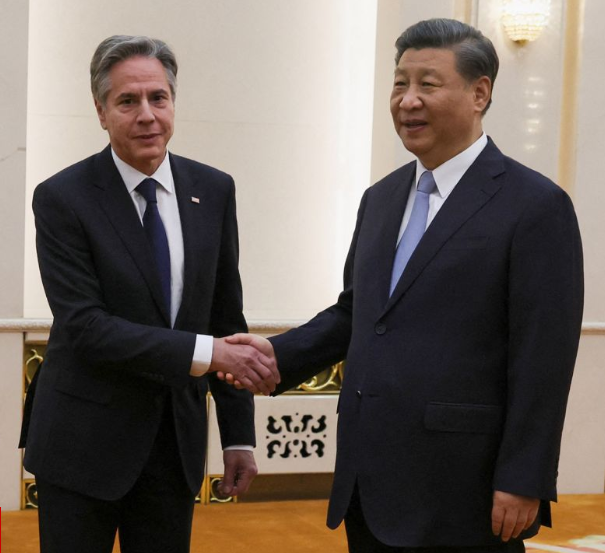
In a crucial diplomatic move aimed at easing the tensions between the United States and China, the US Secretary of State recently concluded his visit to China, marked by a series of high-level meetings and negotiations.
The visit came at a time when the bilateral relationship between the two global powers had been marred by trade disputes, strategic competition, and disagreements on a range of global issues. As the Secretary of State wrapped up his visit, a significant development took place as he engaged in a conversation with the Chinese leader.
The visit highlights the key objectives of the discussions and examines the potential implications of this dialogue on the broader US-China relationship.
The visit by the US Secretary of State to China took place against the backdrop of escalating tensions between the two nations. Over the past few years, the United States and China have experienced strained relations on various fronts, such as trade, technology, human rights, and territorial disputes. These tensions have been further exacerbated by the COVID-19 pandemic, with accusations and blame being traded between the two countries.
However, recognizing the importance of maintaining stable relations between the world’s two largest economies and major global powers, both sides decided to engage in high-level talks. The visit aimed to provide an opportunity for the US Secretary of State to meet with his Chinese counterpart and the country’s top leadership to discuss a range of contentious issues and seek common ground.
The discussions between the US Secretary of State and the Chinese leader during the concluding stages of the visit were multi-faceted, addressing various pressing matters. Here are some key objectives of the dialogue:
- Trade and Economic Cooperation: One of the primary objectives of the discussions was to address the ongoing trade disputes and seek avenues for cooperation. Both countries have been embroiled in a trade war characterized by tariffs and counter-tariffs, which have adversely affected global markets. The dialogue aimed to explore opportunities for mutually beneficial trade arrangements and resolve the existing trade frictions.
- Strategic Competition: The United States and China have been engaged in a race for strategic influence, particularly in the areas of emerging technologies, cybersecurity, and regional dominance. The discussions sought to manage this competition by establishing norms and rules to prevent a potential escalation into a full-blown conflict.
- Human Rights and Global Issues: Human rights concerns, including those related to Xinjiang, Hong Kong, and Tibet, have strained the bilateral relationship. The dialogue provided an opportunity for the US Secretary of State to convey American concerns and advocate for respect for human rights. Additionally, both parties discussed global challenges such as climate change, pandemic response, and nuclear non-proliferation, aiming to find areas of cooperation.
Implications and Future Outlook; The conversation between the US Secretary of State and the Chinese leader has significant implications for the broader US-China relationship and the international community.
Firstly, the fact that high-level discussions took place indicates a willingness on both sides to engage in dialogue and seek common ground. This demonstrates a recognition of the importance of maintaining stable relations and avoiding further escalation of tensions, which could have far-reaching consequences for the global economy and security.
Secondly, the outcome of the discussions will likely shape the trajectory of the US-China relationship in the coming months and years. If fruitful agreements are reached and tensions are eased, it could pave the way for increased cooperation on various fronts. However, if the talks fail to yield tangible results, the relationship may further deteriorate, leading to more intense competition and confrontation.

