
News
Allegations Against Trump and Indictment of Classified Document Handling

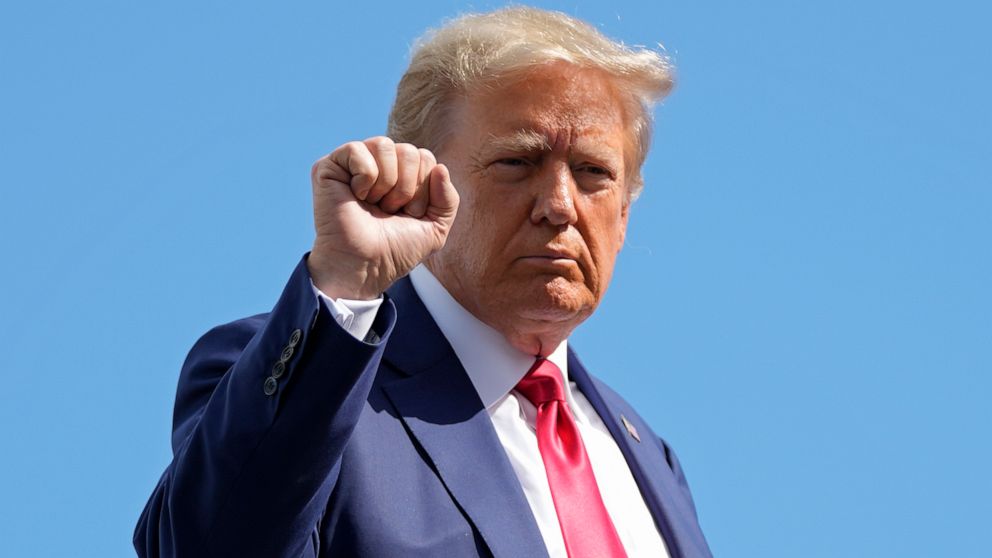
A recent 49-page indictment has shed light on allegations against former President Donald Trump, claiming that he took classified documents to Mar-a-Lago after leaving office and resisted the government’s attempts to retrieve them. These startling details raise concerns about the mishandling of sensitive information and potential obstruction of justice. This article examines the contents of the indictment, the implications of these allegations, and the potential legal consequences for Trump.
The Allegations Unveiled the 49-page indictment presents a detailed account of Trump’s alleged actions concerning classified documents after his departure from the presidency. It suggests that he took these documents to Mar-a-Lago, his private residence, and club in Florida, and refused to cooperate with government officials attempting to recover them.
According to the indictment, Trump’s actions violated federal laws governing the handling of classified information. The indictment highlights the potential risks associated with the mishandling of such sensitive materials, as well as the obligations of former presidents to safeguard national security interests.
Resistance to Government Retrieval of the indictment asserts that the government made repeated efforts to retrieve the classified documents from Trump’s possession but faced resistance and lack of cooperation from the former president. The specifics of this resistance remain undisclosed, leaving room for speculation about the extent of Trump’s non-compliance.
This alleged resistance raises concerns about potential obstruction of justice and disregard for the rule of law. If proven, such actions could have significant legal implications for Trump, as obstruction of justice is a serious offense that can result in criminal charges.
Implications and Potential Legal Consequences of the allegations against Trump in the indictment carry several implications, both legally and politically. From a legal standpoint, they raise questions about the protection of classified information and the accountability of public officials, even after leaving office. If Trump is found to have mishandled classified documents and obstructed justice, it could set a precedent for future cases involving former presidents and their responsibilities regarding sensitive information.
In terms of potential legal consequences, the indictment signifies the initiation of a legal process that may lead to a trial. The outcome of such a trial would depend on the evidence presented, the strength of the prosecution’s case, and the decision of the court. If convicted, Trump could face penalties, which may include fines, probation, or even imprisonment, depending on the severity of the charges.
Political Ramifications and Public Perception of the allegations made in the indictment also have significant political ramifications and can influence public perception. Trump’s supporters may view the accusations as politically motivated, while his critics may see them as evidence of misconduct and a breach of trust. The handling of classified documents and resistance to government retrieval can erode public confidence in the integrity and transparency of the executive branch.
The resolution of this legal matter will likely have implications for Trump’s political future, as well as for the broader political landscape. It may impact his ability to participate in future elections or influence the decisions of his political party. Additionally, the outcome of the legal proceedings will shape public opinion on the former president’s adherence to ethical and legal standards.
Conclusion: indictment detailing allegations against former President Donald Trump raises serious concerns about the handling of classified documents and resistance to government retrieval. These allegations have legal, political, and public perception implications that will require careful examination. The legal process will ultimately determine the validity of the claims and any potential consequences for Trump. As this case unfolds, it underscores the importance of upholding the integrity of classified information and the accountability of public officials, even after their tenure has ended.

