
Nigeria
Abdulrasheed Bawa, EFCC Chairman, Spending the Night in DSS Custody: A Developing Situation

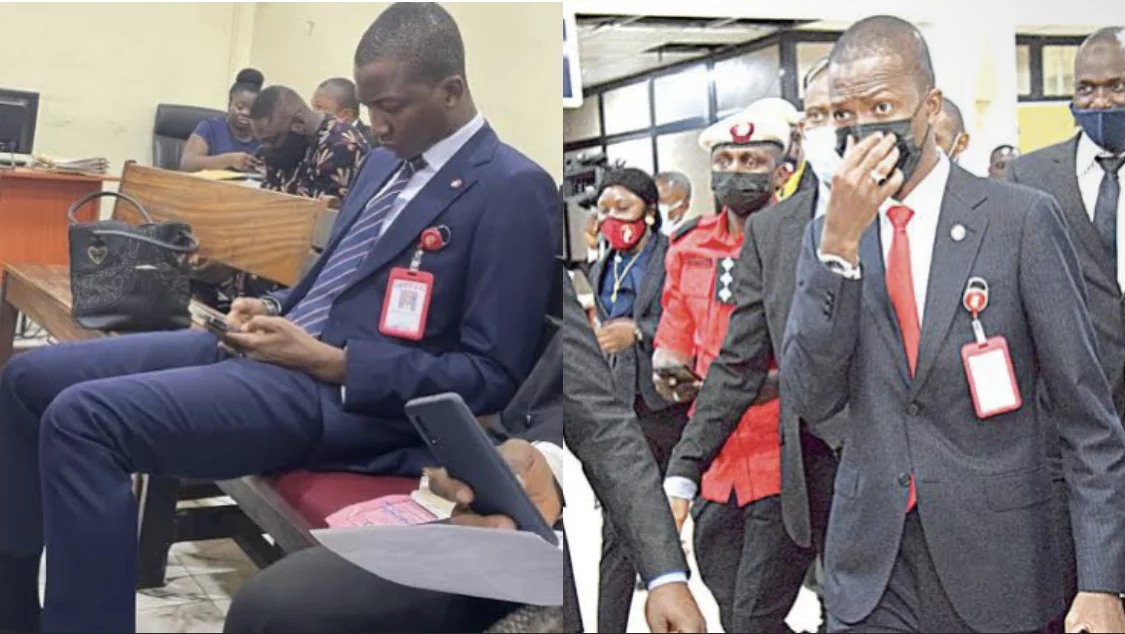
The news of Abdulrasheed Bawa, the suspended Chairman of the Economic and Financial Crimes Commission (EFCC), spending the night in the custody of the Department of State Services (DSS) has stirred significant attention and speculation in Nigeria. This unexpected development raises concerns and questions regarding the reasons behind Bawa’s detainment and the potential implications for the country’s anti-corruption efforts. This article aims to delve into the details surrounding Bawa’s custody, explore the reactions of the public, and analyze the potential consequences of this situation.
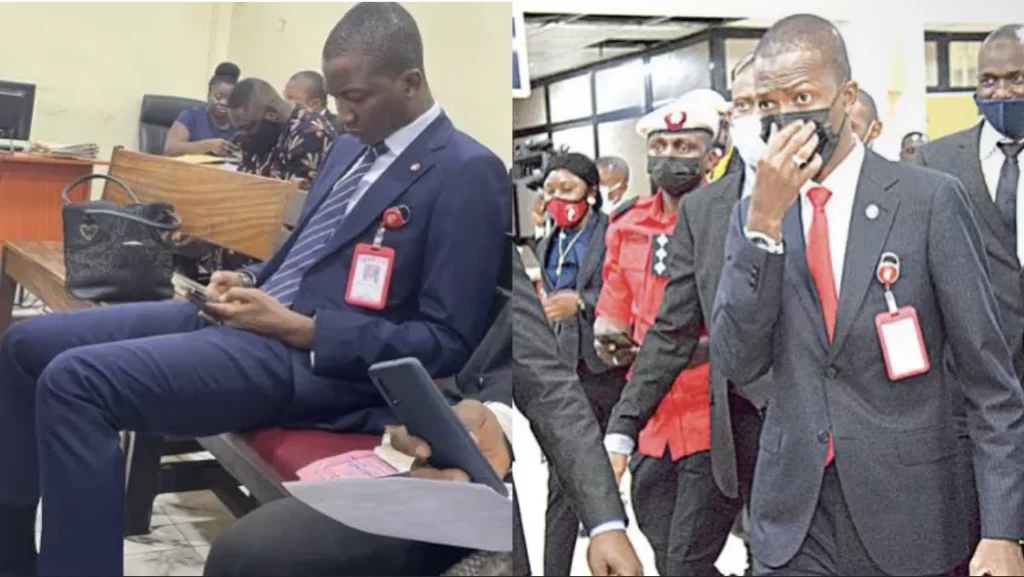
Background and Circumstances Abdulrasheed Bawa, a young and energetic law enforcement officer, assumed the position of EFCC Chairman in February 2021, garnering high hopes for the fight against corruption in Nigeria. However, recent events have taken a surprising turn. Reports emerged that Bawa was arrested and detained by the Department of State Services (DSS) on the evening of the 15th day of June 2023.
The exact reasons for Bawa’s detainment remain undisclosed, leading to widespread speculation and uncertainty among the public. The nature of the allegations against him, as well as the involvement of the DSS, raises important questions about the independence and integrity of Nigeria’s anti-corruption agencies.
Public Reactions and Speculations; The news of Abdulrasheed Bawa spending the night in DSS custody has sparked a flurry of reactions and speculations among Nigerians. The public is divided in their opinions, with some expressing support for the action, believing that it signifies a commitment to the rule of law and accountability. They argue that no individual, regardless of their position, should be immune from investigation and prosecution if credible allegations are made against them. This perspective emphasizes the need to maintain the credibility and integrity of anti-corruption agencies, even if it involves investigating their own officials.
Conversely, there are skeptics who view the detainment as a potential ploy to undermine the fight against corruption. They suggest that Bawa’s arrest may be politically motivated, aimed at curbing his anti-corruption efforts and thwarting investigations into high-profile individuals who may have influential connections. Such skepticism reflects the concerns about political interference in the operations of anti-corruption agencies, which hampers their effectiveness and erodes public trust.
Furthermore, the detention of Bawa raises concerns about the impact on the morale and effectiveness of the EFCC. Bawa’s appointment as the youngest-ever chairman had brought renewed hope and enthusiasm to the agency, signaling a fresh approach to combating corruption. His detainment may disrupt the momentum gained under his leadership and potentially hamper ongoing investigations and operations. A strong and independent EFCC is crucial for Nigeria’s progress in combating corruption and fostering economic growth.
The consequences and Implications of Abdulrasheed Bawa spending the night in DSS custody are still unfolding, and the situation has significant implications for Nigeria’s anti-corruption efforts. Firstly, it poses challenges to the credibility and independence of the EFCC and other anti-corruption agencies. The handling of this case will be closely scrutinized, and the public will be looking for transparent and fair procedures to maintain trust in these institutions.
Moreover, the situation can impact Nigeria’s image on the global stage. International observers closely monitor Nigeria’s fight against corruption, and any perceived interference or setbacks in anti-corruption operations can have implications for foreign investments and cooperation in combating financial crimes.
Moving forward, it is imperative that the government ensures a fair and transparent investigation into the allegations against Bawa. This will not only determine his fate but also have broader ramifications for the anti-corruption drive in Nigeria.

