
World
Why Russia Stages Overnight Drone Attack on Ukrainian Capital: Unraveling the Escalation

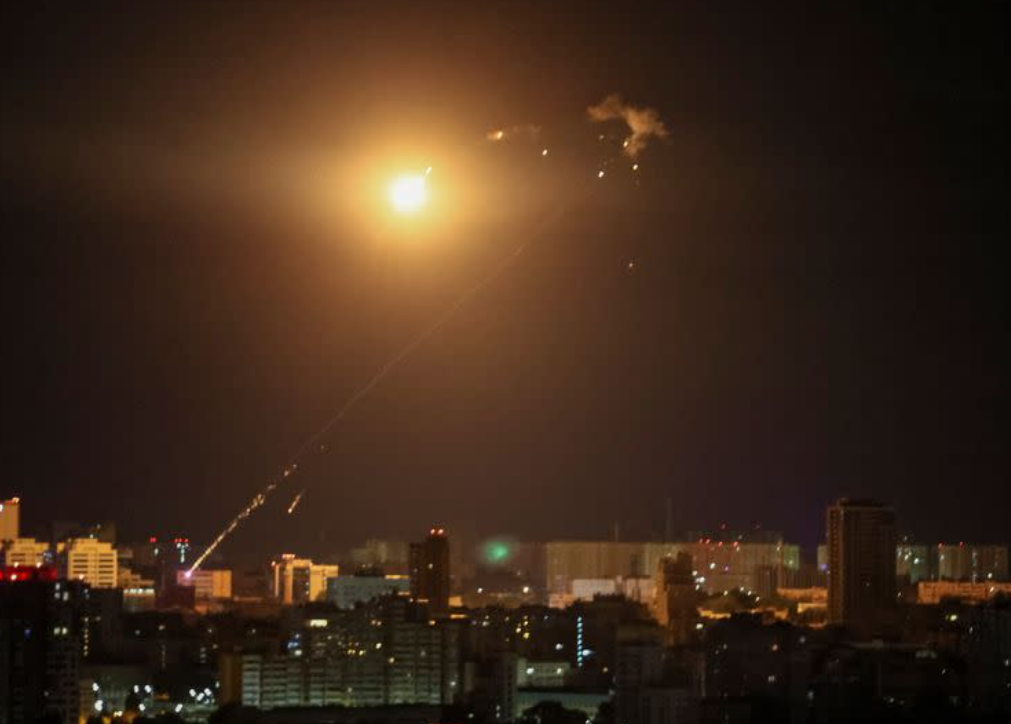
In a shocking turn of events, the world awoke to news that Russia had launched an overnight drone attack on the Ukrainian capital, Kyiv. This brazen act of aggression marks a significant escalation in the ongoing conflict between Ukraine and Russia, raising grave concerns about the future of the region and international peace.
The overnight drone attack on Kyiv involved a coordinated swarm of armed drones that targeted key military and civilian installations within the city. The attack was carefully planned and executed, causing considerable damage and casualties. The drones used in the attack were not conventional military aircraft but rather small, unmanned aerial vehicles (UAVs) equipped with explosives. These drones are increasingly being used in modern warfare due to their maneuverability, affordability, and the relative ease with which they can be deployed.
The attack resulted in a significant number of casualties, with both military and civilian personnel affected. Hospitals in Kyiv were inundated with wounded individuals seeking medical attention, highlighting the indiscriminate nature of the assault. The damage to civilian infrastructure was extensive. Reports emerged of explosions near residential areas, schools, and hospitals. Electricity and water supplies in some parts of the city were disrupted, further exacerbating the crisis.
The Ukrainian government swiftly condemned the drone attack, characterizing it as an act of aggression and a violation of its sovereignty. President [Name] called upon the international community to condemn Russia’s actions and provide humanitarian assistance to those affected. In response to the attack, Ukraine mobilized its defense forces and declared a state of emergency in Kyiv and surrounding areas. Security measures were heightened, and citizens were urged to take precautions to ensure their safety.
Russia denied involvement in the drone attack and accused Ukrainian forces of orchestrating it as a false flag operation. Russian officials suggested that the Ukrainian government was attempting to draw international sympathy and military support by staging the attack. Russia’s denial of involvement has raised concerns among the international community. Many nations and international organizations have called for an impartial investigation to determine the perpetrators of the attack and ascertain responsibility.
World leaders and nations worldwide condemned the drone attack on Kyiv. They expressed solidarity with Ukraine and called for an immediate cessation of hostilities to prevent further escalation. Calls for restraint were echoed across the globe, with the United Nations and various regional organizations urging a peaceful resolution to the crisis.
B. The Role of Diplomacy
The international community emphasized the importance of diplomacy and dialogue in resolving the conflict. Diplomatic channels were activated, and envoys were dispatched to Kyiv and Moscow to engage in talks aimed at de-escalating the situation. The overnight drone attack on Kyiv signifies a concerning escalation in the conflict between Ukraine and Russia. The use of armed drones in a densely populated urban area poses serious risks, and the potential for further violence remains high.
The attack has exacerbated the humanitarian crisis in Ukraine. The immediate need for medical supplies, shelter, and assistance to displaced civilians has strained international relief efforts. Providing aid to those affected by the conflict remains a pressing challenge. Efforts to resolve the conflict diplomatically face immense complexity. The history of the conflict, the involvement of external actors, and the deep-seated grievances on both sides make finding a peaceful solution a daunting task.
The overnight drone attack on Kyiv serves as a stark reminder of the fragility of international peace and the urgent need for diplomatic efforts to bring an end to the conflict in Ukraine. The toll on human lives, the destruction of infrastructure, and the potential for further escalation underscore the devastating consequences of armed conflict.
It is imperative that all parties involved in the conflict prioritize diplomacy over violence. The international community must play an active role in facilitating dialogue and negotiation to reach a sustainable resolution that respects the sovereignty and rights of all nations and peoples involved.
The events unfolding in Ukraine should serve as a wake-up call to the world, a reminder that conflict and aggression have far-reaching consequences. The global community must come together to seek peaceful solutions to disputes, prioritize humanitarian assistance, and uphold the principles of international law and human rights. Only through concerted efforts and a commitment to peace can the cycle of violence and suffering be broken, allowing for a better future for all affected by conflict.

