
Africa
Unrest in Gabon: The Latest Chapter in Africa’s Troubling Trend of Military Coups

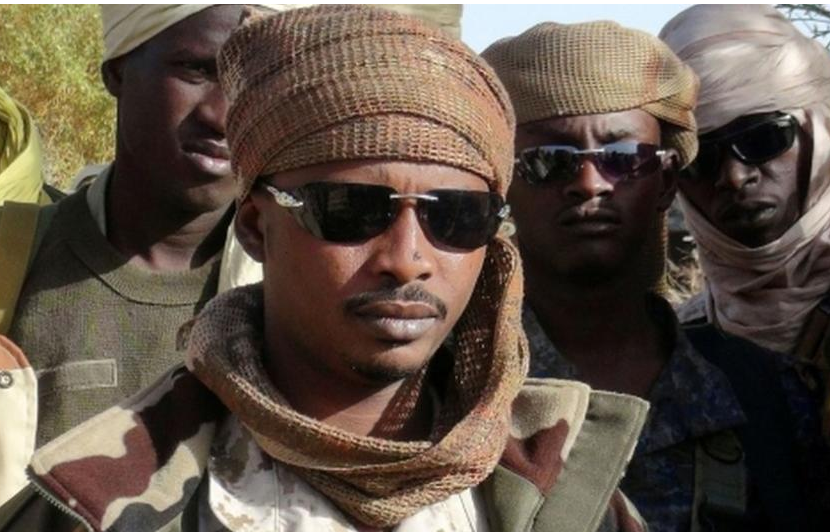
In yet another disheartening development on the African continent, Gabon has recently witnessed a military coup, adding its name to a growing list of nations grappling with political instability and uncertainty. This event marks the latest installment in a distressing series of military takeovers that have plagued Africa for decades.
The recent coup in Gabon serves as a harsh reminder of the persistent challenges many African countries face in maintaining stable governance systems and transitioning to democratic regimes. The continent has seen its fair share of political turbulence, with military interventions often disrupting the aspirations of citizens for democratic representation, rule of law, and economic prosperity.
While each coup has its unique circumstances and triggers, common underlying factors contribute to this recurring trend. These factors include:
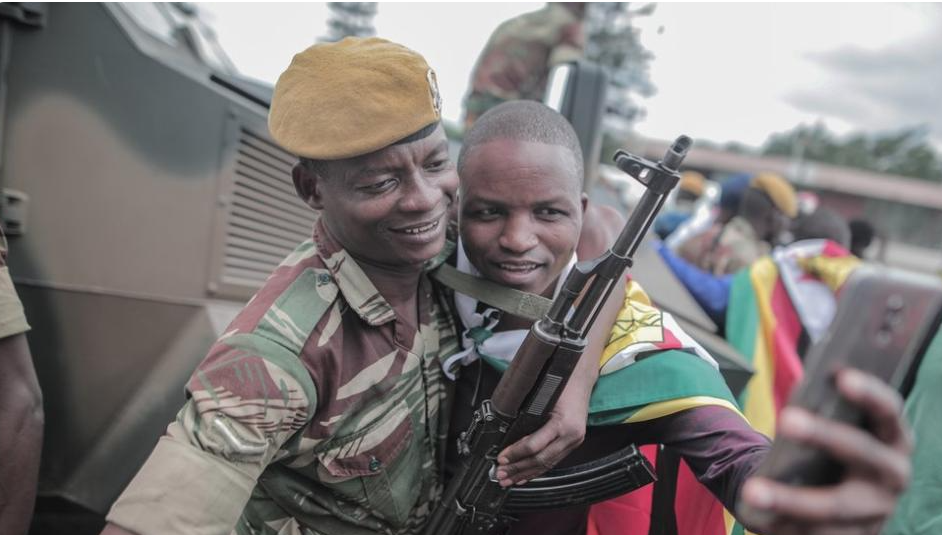
- Historical Legacies: Many African countries have experienced a tumultuous history of colonization, oppression, and exploitation. These legacies have often left behind weak institutions, ethnic divisions, and a lack of trust in government, making the transition to stable democratic rule more challenging.
- Weak Governance Structures: Inefficiencies, corruption, and lack of transparency within governance structures can lead to citizen frustration and a desire for change, sometimes opening the door for military intervention as an alternative to the perceived failed civilian leadership.
- Economic Struggles: High levels of poverty, unemployment, and economic inequality can create a breeding ground for dissent. If citizens feel their economic needs are not being met, they might be more susceptible to supporting or tolerating a coup if it promises swift change.
- Ethnic and Regional Divisions: Ethnic tensions and regional disparities can contribute to political instability, as different groups vie for power and resources. Military coups can exploit these divisions, either by aligning with certain groups or presenting themselves as a unifying force.
- Lack of Democratic Culture: In some cases, nations lack a deeply ingrained culture of democratic governance. This can make it easier for military figures to seize power under the guise of restoring order or protecting national interests.
- External Influences: Geostrategic interests of foreign powers can play a role in destabilizing countries and supporting coup attempts. Conflicts can be fueled by proxy interventions, exacerbating existing tensions and power struggles.
The international community, along with regional organizations like the African Union, has repeatedly condemned military takeovers and advocated for the peaceful transition of power through democratic means. However, enforcing these ideals can be challenging, especially when the coup perpetrators present themselves as saviors of the nation.
To break free from this cycle of coups and instability, African countries must focus on strengthening their institutions, promoting transparent governance, investing in education and economic development, and nurturing a culture of democracy and dialogue. By addressing these root causes, African nations can gradually move towards a future characterized by stable governance, economic growth, and respect for human rights.
In conclusion, the recent military coup in Gabon is a stark reminder of the broader trend of political instability and military interventions that have afflicted Africa. Addressing the underlying causes of these coups is essential for the continent to break free from this cycle and chart a more prosperous and stable course for its nations and people.

