
News
The Reason Russian Shelling in Kharkiv Intensifies

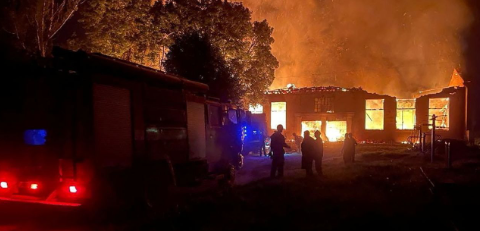
The city of Kharkiv, situated in northeastern Ukraine, has become a focal point of escalating tensions as reports of intensifying Russian shelling reverberate across international headlines. The recent surge in military activity and artillery fire in the region has sparked grave concerns within the global community, heightening fears of a potential broader conflict. This article delves into the unfolding situation in Kharkiv, examining the causes, implications, and international response to the intensification of Russian shelling.
Kharkiv, one of Ukraine’s largest cities, holds historical, cultural, and economic significance. As a major industrial and academic center, it plays a crucial role in Ukraine’s national fabric. Situated near the border with Russia, Kharkiv’s geopolitical location adds complexity to the current crisis. The city’s proximity to the ongoing conflict zone in eastern Ukraine has made it susceptible to spillover effects, as tensions between Russia and Ukraine continue to simmer.
Reports of intensifying Russian shelling in Kharkiv have raised alarms around the world. Civilians and local authorities have witnessed a surge in artillery fire, resulting in casualties, destruction of property, and displacement of residents. The escalation in military activity has heightened fears of a broader conflict, as both sides engage in a dangerous brinkmanship that threatens the stability of the entire region.
As Russian shelling intensifies, the humanitarian toll on Kharkiv’s civilian population has been profound. The indiscriminate nature of artillery attacks has led to civilian casualties and a sense of insecurity among residents. Schools, hospitals, and residential areas have been hit, leaving communities devastated and forcing many to flee their homes. The resulting displacement adds to the already dire humanitarian situation in Ukraine, straining resources and creating a new wave of internally displaced persons in need of assistance.
The intensification of Russian shelling in Kharkiv has broader geopolitical ramifications that extend beyond the region. The conflict has strained relations between Russia and Western nations, leading to condemnations and calls for restraint from the international community. Concerns over potential escalation have prompted urgent diplomatic efforts to de-escalate the situation and prevent further destabilization of Eastern Europe.
The international response to the escalating tensions in Kharkiv has been swift and assertive. Leaders from across the globe have expressed deep concern and called for an immediate cessation of hostilities. Diplomatic channels have been activated in an attempt to broker a peaceful resolution to the crisis. The United Nations, European Union, and other international organizations have joined forces to engage all parties and find a path toward de-escalation.
The role of media in shaping public perception and understanding of the intensifying Russian shelling in Kharkiv cannot be understated. As images and reports from the conflict zone circulate, the global audience is confronted with the stark reality of the situation. The power of media to shed light on the human cost of the conflict underscores the urgency of finding a peaceful resolution and compelling nations to act in the interest of preserving lives and stability.
Amidst the grim reality of intensifying shelling, there remains a glimmer of hope for a peaceful resolution to the crisis. Diplomacy, dialogue, and international pressure have the potential to pave the way for a negotiated settlement that averts further escalation. The voices of citizens, advocacy groups, and international organizations must continue to amplify the call for a peaceful end to the conflict, underscoring the importance of dialogue and understanding in a world fraught with tensions.
The intensification of Russian shelling in Kharkiv serves as a stark reminder of the fragility of global security and the potential for conflict to escalate rapidly. The situation underscores the importance of diplomacy, international cooperation, and a commitment to peaceful solutions. As leaders and citizens around the world unite in their condemnation of violence and in their pursuit of a peaceful resolution, the hope is that a path forward will emerge—one that prioritizes the well-being of civilians, preserves regional stability, and offers a glimpse of a more peaceful future.

