
News
53 Lives Lost as Governor Warns of Rising Death Toll

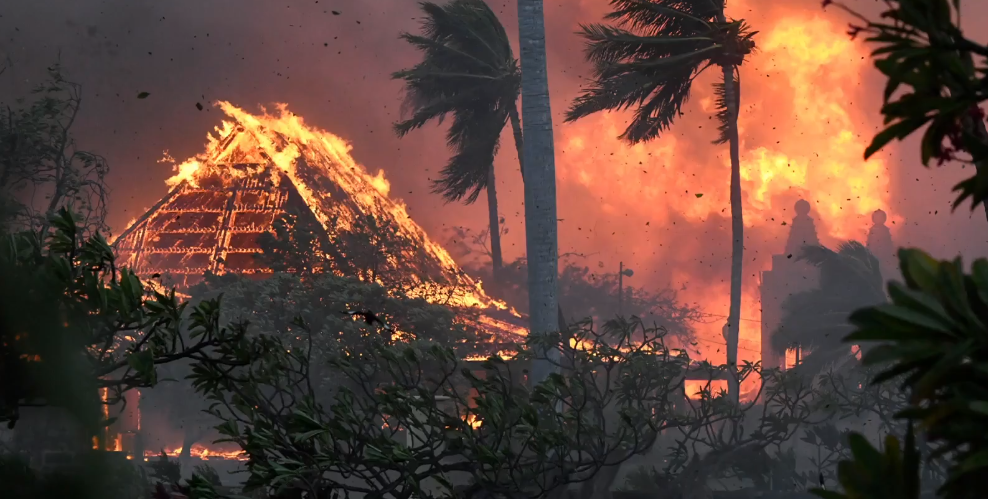
The serene paradise of Hawaii, known for its stunning landscapes and idyllic beaches, has been gripped by a catastrophic event that has left communities devastated and lives shattered. Wildfires, an uncommon but increasingly severe occurrence in the tropical archipelago, have taken a heavy toll on the state. As the flames raged and the skies turned ominous, 53 lives were tragically lost. The governor’s somber warning echoes through the islands, foretelling an impending rise in the grim death toll. This article delves into the unprecedented Hawaii wildfires, shedding light on the causes, impacts, and arduous battle to regain control over the infernos that have ravaged the land and claimed lives.
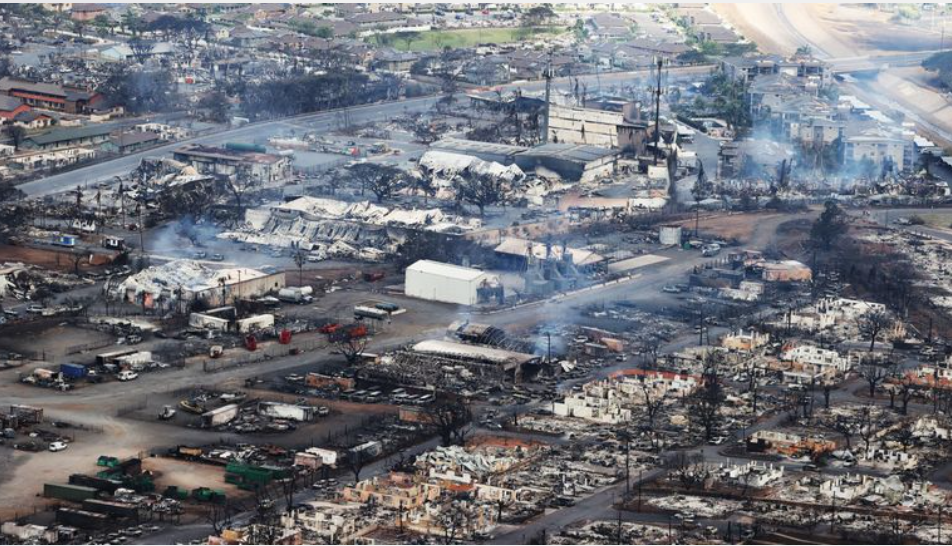
Hawaii’s lush landscapes, vibrant flora, and unique ecosystems have historically offered a level of protection against large-scale wildfires. However, the past decade has seen a disturbing increase in the frequency and intensity of wildfires, driven by a combination of factors that have transformed the Hawaiian wilderness into a tinderbox waiting to ignite. The spread of invasive plant species, prolonged droughts, changing climate patterns, and human activities have collectively contributed to the devastating fires that have unfolded.
As the wildfires gained momentum, they engulfed residential areas and communities, sparing nothing in their path. The tragic result was the loss of 53 lives, each a precious individual with dreams, families, and stories to tell. The impact on families, neighborhoods, and the broader Hawaiian society cannot be understated. Lives have been shattered, and a collective sense of grief blankets the islands.
In the wake of the devastation, Governor’s Office has been working tirelessly to coordinate emergency response efforts and offer support to affected communities. However, as the enormity of the situation becomes clearer, the governor has issued a sobering warning: the number of deaths is expected to rise. This grim prediction reflects the challenges faced by first responders and emergency services as they battle the unrelenting fires and attempt to locate those who remain unaccounted for. The governor’s words serve as a call to action for residents, officials, and the entire nation to rally behind Hawaii in this time of crisis.
The wildfires’ toll extends beyond human lives, encompassing the natural environment that makes Hawaii so unique. Iconic and fragile ecosystems, home to rare and endangered species, have been engulfed by flames. The devastation to flora and fauna is a blow to biodiversity conservation efforts and could have lasting consequences for generations to come. The air quality has deteriorated, and smoke plumes have traveled across the Pacific, affecting neighboring islands and even the mainland United States.
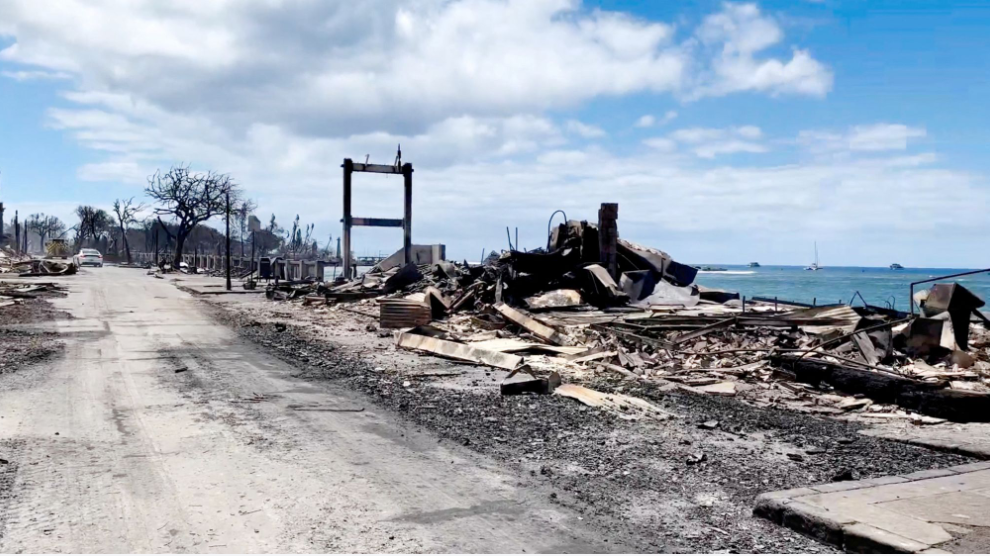
The fires have brought about a state of emergency for affected communities, displacing residents and leaving neighborhoods in ruins. Evacuation orders have forced families to flee their homes, unsure of what they will return to once the flames are extinguished. The emotional and psychological toll of such displacement is immense, with individuals grappling with uncertainty, loss, and trauma.
Amid the chaos and destruction, a beacon of hope shines through in the form of first responders. Firefighters, paramedics, law enforcement officers, and countless volunteers have displayed unwavering courage and determination in the face of overwhelming adversity. Working tirelessly day and night, these brave men and women put their lives on the line to protect and serve, exemplifying the true spirit of unity and resilience.
The aftermath of the Hawaii wildfires will be a long and arduous journey toward recovery and rebuilding. Beyond the physical reconstruction of homes and infrastructure, the emotional scars will require time, support, and resources to heal. Community solidarity, government aid, and assistance from the broader global community will play a crucial role in the rehabilitation process.
The tragedy of Hawaii’s wildfires, which have claimed the lives of 53 people and left countless others devastated, serves as a stark reminder of the unpredictable and far-reaching consequences of climate change and environmental degradation. The governor’s warning of a rising death toll underscores the urgency of addressing these challenges and bolstering preparedness efforts. As Hawaii and its communities grapple with the aftermath, the world watches with empathy, offering support and solidarity in the quest to restore the paradise that has been marred by flames.

