
News
Nigerians Keep on React Days After President Tinubu’s Monday Speech

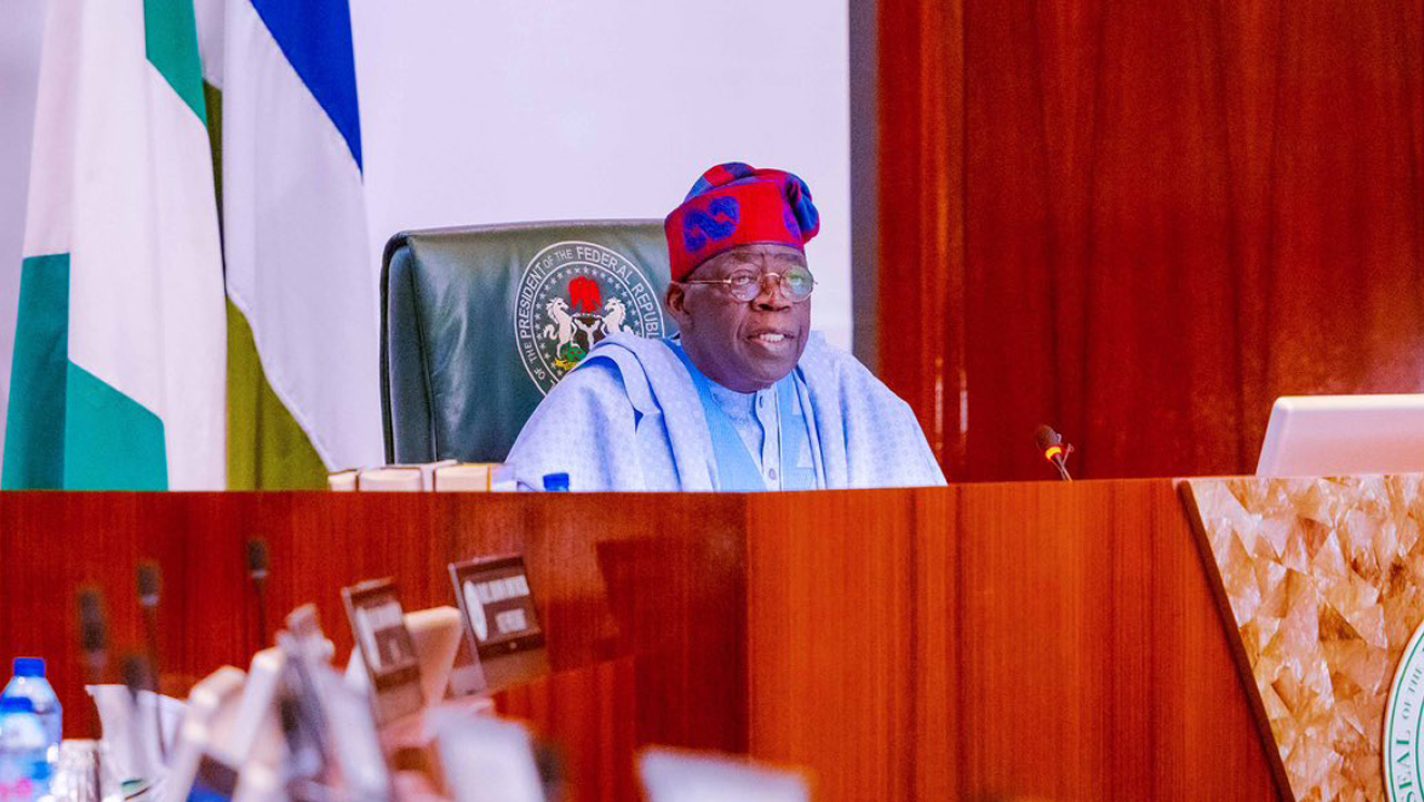
President Tinubu’s Monday speech has undoubtedly garnered significant attention and anticipation among Nigerians, as it addresses critical issues affecting the nation. As the days pass after the speech, the nation witnesses a range of reactions from citizens, politicians, civil society groups, and other stakeholders. This article explores the diverse reactions of Nigerians to President Tinubu’s speech, delving into the various perspectives and sentiments expressed across the country.

- Support and Approval:
Following President Tinubu’s Monday speech, some Nigerians have expressed their support and approval for his statements and proposed policies. They believe that his vision and proposed solutions have the potential to address long-standing challenges in the country. Supporters appreciate his focus on key areas such as economic development, security, infrastructure, and social welfare. They believe that his track record as a leader and administrator gives him the credibility to drive positive change in the nation.
- Skepticism and Doubt:
On the other hand, some Nigerians remain skeptical about President Tinubu’s promises and intentions. They question the feasibility and practicality of his proposed policies and whether they can genuinely deliver the desired outcomes. Skeptics cite past instances of unfulfilled promises by politicians and the need for concrete action rather than mere rhetoric. Concerns are raised about whether the speech is merely a political move to garner support ahead of upcoming elections.
- Political Opposition:
As with any political speech, President Tinubu’s address has faced opposition from rival parties and politicians. Opposition leaders critique his policies, highlighting potential flaws and proposing alternative solutions. They might use this opportunity to present themselves as viable alternatives for leadership, criticizing the ruling party’s performance and questioning the credibility of Tinubu’s proposed policies.
- Youthful Discontent:
Nigeria’s youthful population has been particularly vocal about their discontent with the country’s leadership and governance. Many young Nigerians express frustration with the prevailing socio-economic challenges, limited opportunities, and inadequate representation. Some see President Tinubu’s speech as lacking concrete plans to address youth unemployment and empowerment, calling for more comprehensive and youth-centric policies.
- Civil Society Reactions:
Civil society groups play a crucial role in advocating for the rights and welfare of citizens. In the aftermath of the speech, these groups closely scrutinize President Tinubu’s proposals and demand accountability and transparency. They call for a clear roadmap on how the government plans to achieve its goals and insist on citizen participation in policy formulation and implementation.
- Regional and Ethnic Perspectives:
Nigeria’s diversity extends beyond political ideologies to regional and ethnic identities. The reactions to President Tinubu’s speech vary across different regions and ethnic groups. Some regions might feel their concerns are adequately addressed, while others might perceive certain policies as favoring specific areas at the expense of others. As such, the speech can potentially trigger regional and ethnic tensions that need to be carefully managed.
- Media Analysis:
The media plays a significant role in shaping public opinion. Various news outlets, journalists, and analysts have offered extensive coverage and analysis of President Tinubu’s speech. Editorials, opinion pieces, and panel discussions further contribute to the public discourse, providing additional insights into the potential implications of the proposed policies.
Conclusion:
The reactions of Nigerians to President Tinubu’s Monday speech are diverse and multifaceted, reflecting the complexities of the nation’s socio-political landscape. While some citizens express support and approval, others remain skeptical about the feasibility and intentions behind the proposed policies.
Political opposition from rival parties adds to the spectrum of reactions, and civil society groups play a crucial role in demanding accountability and transparency. Additionally, regional and ethnic perspectives highlight the importance of fostering inclusivity and unity in the nation. Moving forward, it is essential for President Tinubu and his administration to engage with these varied reactions constructively, addressing concerns, and translating promises into tangible actions for the betterment of Nigeria and its citizens.

