
Nigeria
Analyzing the Reasons Behind the Killing of 201 Individuals in Plateau State in 5 Months

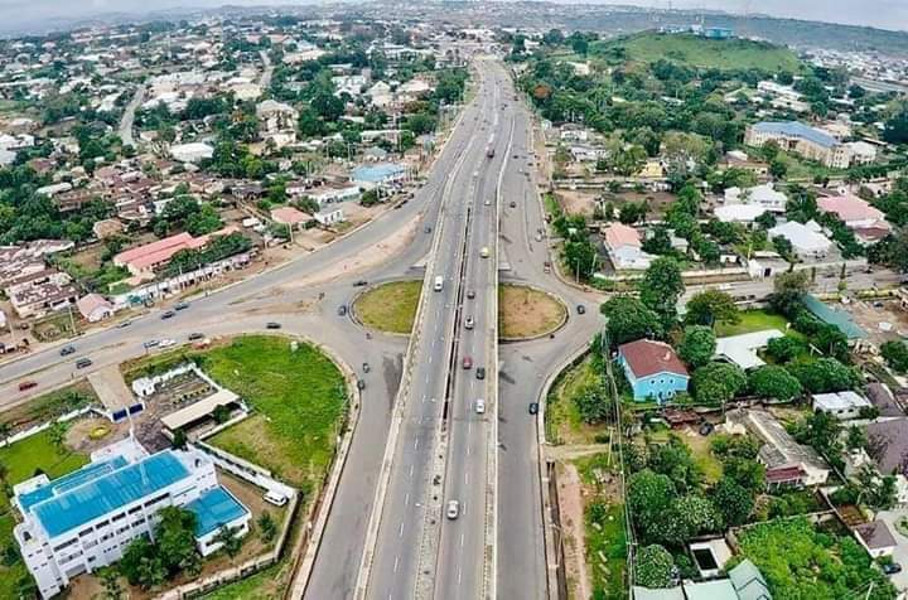
Plateau State, located in central Nigeria, has experienced a surge in violence and unrest, resulting in the tragic loss of lives. This article aims to explore the multifaceted reasons behind the killing of 201 individuals within a five-month period in Plateau State. By examining the underlying causes, including ethnoreligious tensions, resource disputes, and security challenges, we can gain a deeper understanding of the complex dynamics contributing to the violence and identify potential solutions to restore peace and stability.
One significant factor contributing to the violence in Plateau State is long-standing ethnoreligious tensions. The state is home to diverse ethnic and religious groups, including the Berom, Fulani, and Hausa, among others. Historical grievances, competition for resources, and perceived marginalization have fueled animosities between these groups.
The cycle of violence often stems from reprisal attacks, where one group seeks revenge for perceived injustices or previous acts of violence. The lack of trust, mutual understanding, and reconciliation mechanisms exacerbates the situation, allowing conflicts to escalate and resulting in the tragic loss of lives.
Plateau State is known for its fertile land and natural resources, including arable farmland, mineral deposits, and grazing areas. Competition over these resources has fueled conflicts between farmers and herders. As the population increases and land becomes scarcer, disputes over land ownership, boundaries, and grazing rights have intensified.
These resource conflicts are often exacerbated by climate change-related factors, such as desertification and diminishing water resources, which force herders to migrate in search of grazing land. The clashes between farmers and herders have led to a cycle of violence, with attacks and counter-attacks resulting in significant casualties.
The prevalence of insecurity and weak law enforcement mechanisms in Plateau State has further contributed to the loss of lives. The inability of security agencies to effectively address the escalating violence has created a climate of impunity, emboldening perpetrators.
Several factors contribute to the security challenges. First, the porous borders surrounding Plateau State allow the free movement of armed groups and criminal elements, making it difficult to trace and apprehend those responsible for the violence. Second, the lack of intelligence gathering and proactive security measures hampers early detection and prevention of attacks.
Furthermore, the proliferation of small arms and light weapons aggravates the violence in Plateau State. These weapons, often acquired illegally, are used by individuals and groups to perpetrate violence, leading to a higher number of fatalities in clashes.
Socioeconomic factors, including poverty, unemployment, and limited access to basic services, contribute to the overall instability in Plateau State. High poverty rates and limited economic opportunities exacerbate existing grievances, making individuals more susceptible to being recruited into armed groups or engaging in criminal activities.
The lack of essential services, such as education and healthcare, further hampers social cohesion and exacerbates tensions. Inadequate infrastructure, limited job prospects, and income disparities deepen social inequalities, creating a fertile ground for unrest and violence.
The killing of 201 individuals in Plateau State within a five-month period underscores the urgent need to address the underlying causes of violence in the region. Ethno-religious tensions, resource disputes, security challenges, and socioeconomic factors all play a role in perpetuating the cycle of violence. To restore peace and stability, it is crucial to foster dialogue, promote intergroup reconciliation, strengthen security mechanisms, and address the root causes of the conflicts, including equitable resource allocation, socioeconomic development, and inclusive governance.

