
World
The sentencing of José Rubén Zamora to six years in a money laundering case raises serious questions about press freedom and the integrity of the justice system

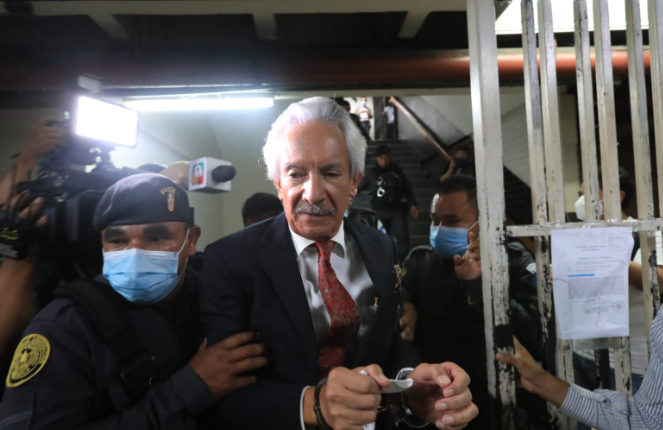
Why Guatemala Sentences Renowned Journalist José Rubén Zamora To Six Years
The recent sentencing of José Rubén Zamora, a renowned journalist in Guatemala, to six years in a money laundering case has sparked widespread concern about press freedom and the integrity of the justice system. Zamora, the founder of the independent news outlet “El Periódico,” has long been a vocal critic of corruption and human rights abuses in the country. This article examines the main factors surrounding Zamora’s sentencing, delving into the legal proceedings, allegations of political motivations, and the potential impact on freedom of the press in Guatemala.
Background on José Rubén Zamora and El Periódico; José Rubén Zamora, a respected journalist, and human rights advocate, founded “El Periódico” in 1996 with the mission to promote investigative journalism and expose corruption in Guatemala. Over the years, the newspaper has gained a reputation for its critical reporting on government officials, organized crime, and human rights violations.
Zamora’s work as a journalist has earned him both national and international recognition, including the prestigious Maria Moors Cabot Award for outstanding reporting on Latin America.
The Money Laundering Case Against Zamora In 2019, José Rubén Zamora was charged with money laundering based on allegations that he received funds from an illegal gambling network. The charges against him were primarily linked to a prominent businessman, Gustavo Alejos, who was also facing corruption charges at the time. The prosecution accused Zamora of accepting money from Alejos in exchange for favorable coverage in El Periódico.
During the trial, Zamora maintained his innocence, arguing that the charges were politically motivated and an attempt to silence his critical reporting. Supporters of Zamora argue that the case was a strategic move to discredit him and undermine the newspaper’s reputation.
Controversies Surrounding the Case: The sentencing of José Rubén Zamora has been mired in controversies, raising concerns about the impartiality of the judicial process and potential political motivations behind the prosecution.
Firstly, critics argue that the charges against Zamora were vague and lacked substantial evidence. They claim that the prosecution failed to provide concrete proof of money laundering and did not adequately establish a direct link between the alleged funds and Zamora’s journalistic activities.
Secondly, Zamora’s supporters argue that the timing of the case is suspicious. The trial coincided with Zamora’s critical reporting on corruption scandals involving high-ranking government officials. This has led to allegations that the charges were intended to intimidate and silence a prominent journalist known for his uncompromising investigative journalism.
Implications for Press Freedom and Democracy
The sentencing of José Rubén Zamora raises significant concerns about the state of press freedom and democracy in Guatemala. It sends a chilling message to journalists and media outlets critical of the government, potentially fostering self-censorship and undermining the public’s right to access independent and unbiased news.
The case also highlights broader challenges faced by the media in Guatemala, including harassment, threats, and violence against journalists. The targeting of journalists not only undermines their personal safety but also weakens the democratic fabric of the country by limiting the free flow of information and constraining public discourse.
The international community has expressed deep concern over Zamora’s sentencing, with organizations like Reporters Without Borders and the Committee to Protect Journalists condemning the verdict. They have called for a transparent review of the case, ensuring that Zamora’s right to a fair trial is upheld and that justice is served impartially.

