
News
Important facts behind Turkey’s Erdogan Victory In Presidential Election Run-Off

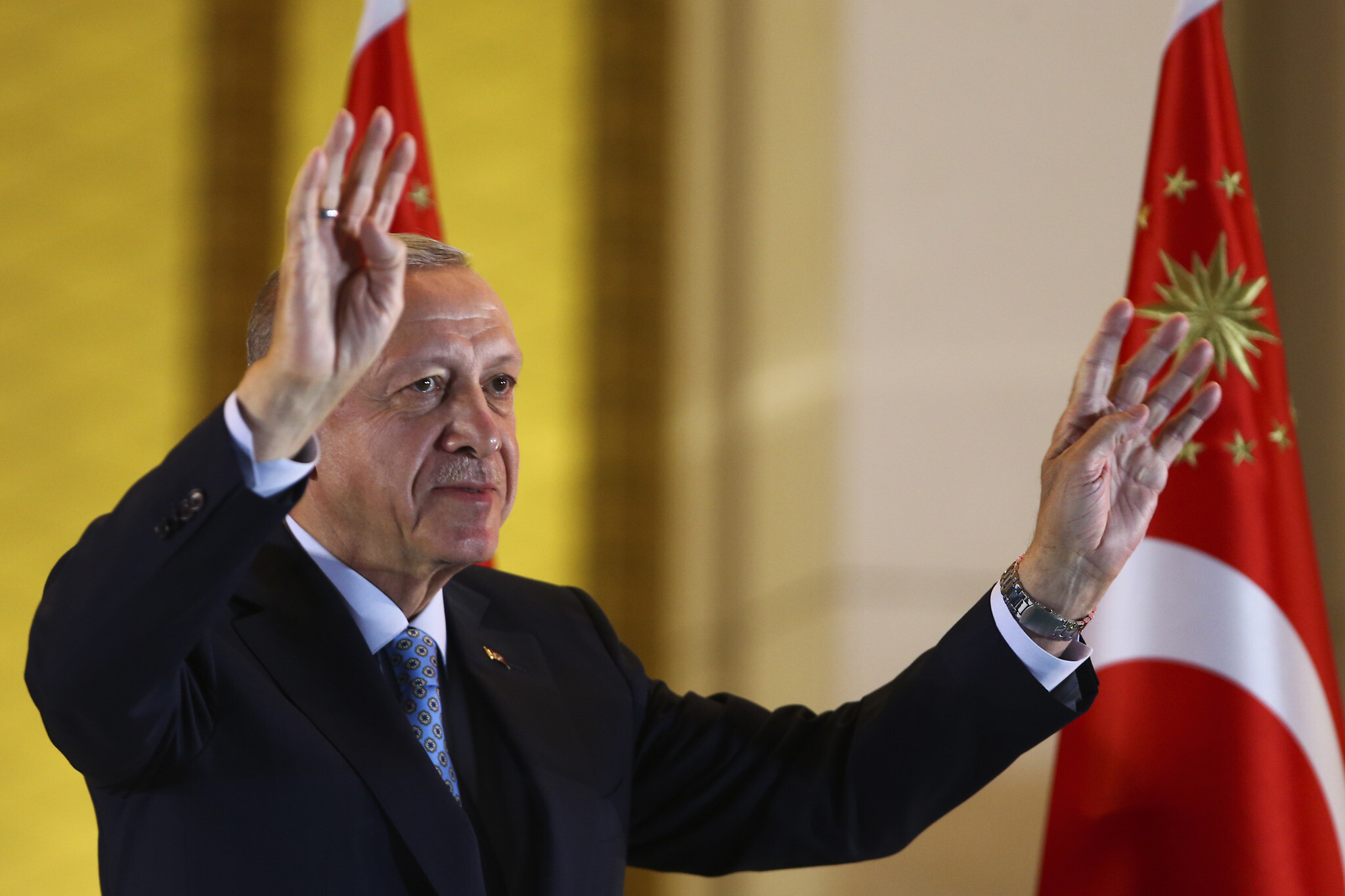
Recep Tayyip Erdogan’s victory in the Turkish presidential election run-off has significant implications for Turkey’s domestic politics and its role in the international arena. Erdogan’s continued dominance in Turkish politics reflects a complex interplay of factors, including his populist appeal, effective political machinery, and broader geopolitical considerations. This article will explore the important facts behind Erdogan’s victory in the presidential election run-off and its implications for Turkey.
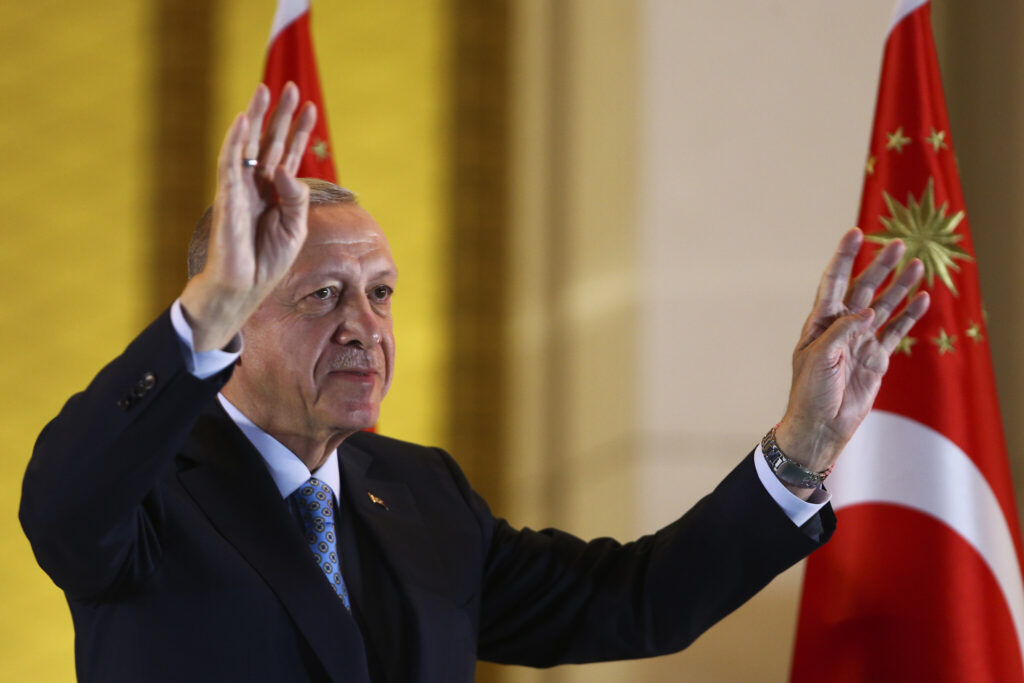
- One of the key factors contributing to Erdogan’s victory is his strong populist appeal. Erdogan has successfully portrayed himself as a champion of the common people, particularly in rural areas and among conservative religious communities. He has implemented policies aimed at improving the standard of living for many Turks, such as infrastructure development, social welfare programs, and increased access to healthcare. Erdogan’s ability to connect with ordinary citizens has resonated with a significant portion of the electorate.
2. Erdogan’s Justice and Development Party (AKP) has built a formidable political machinery that played a crucial role in securing his victory. The AKP has a well-established grassroots network, which includes influential religious groups, business associations, and civil society organizations. This infrastructure has helped mobilize support for Erdogan’s campaigns, enabling him to effectively reach out to voters across the country. Furthermore, the AKP’s control over the media landscape has allowed Erdogan to shape the narrative and control the flow of information, further strengthening his position.
- Economic Policies:
Erdogan’s economic policies have been a double-edged sword. While they initially contributed to his popularity and electoral success, Turkey has experienced economic challenges in recent years. High inflation, currency depreciation, and a growing current account deficit have eroded public confidence in Erdogan’s management of the economy. However, his ability to maintain a solid support base despite these economic setbacks highlights the resilience of his political appeal and the effectiveness of his populist rhetoric.
- Polarization and Opposition Challenges:
Erdogan’s victory also reflects the polarization of Turkish society and the challenges faced by the opposition. Erdogan has skillfully exploited divisions within the country, emphasizing the perceived threat of internal and external adversaries to consolidate his support base. The government’s crackdown on dissent, including the imprisonment of journalists, academics, and activists, has stifled opposition voices and limited the space for critical political discourse. The lack of a unified and strong opposition has further strengthened Erdogan’s position.
- Geopolitical Considerations:
Turkey’s geopolitical position has played a significant role in Erdogan’s victory. His government’s assertive foreign policy, particularly in relation to the conflict in Syria and the migration crisis, has resonated with nationalist sentiments and enhanced Erdogan’s image as a strong leader protecting Turkey’s national interests. The rhetoric of defending Turkey’s sovereignty and challenging external powers has helped Erdogan consolidate support among conservative and nationalist factions.
- Regional Influence:
Erdogan’s victory has implications beyond Turkey’s borders. His leadership has positioned Turkey as a major player in regional politics, particularly in the Middle East. Erdogan has sought to assert Turkish influence by supporting factions aligned with Turkey’s interests in conflicts such as Syria, Libya, and Nagorno-Karabakh. Furthermore, his government’s efforts to expand Turkey’s economic and diplomatic ties with countries in Africa and Asia have boosted Turkey’s regional standing.
Erdogan’s victory in the Turkish presidential election run-off can be attributed to a combination of factors, including his populist appeal, effective political machinery, and geopolitical considerations. While his victory reflects the support he enjoys among a significant portion of the Turkish electorate, it also highlights the challenges facing Turkey’s democracy, including the erosion of democratic institutions, limitations on freedom of expression, and polarization within society. Understanding the important facts is golden.

