
World
Honduras Prison Violence Women’s Jail Riot Resulting in the Deaths of at Least 41 Inmates

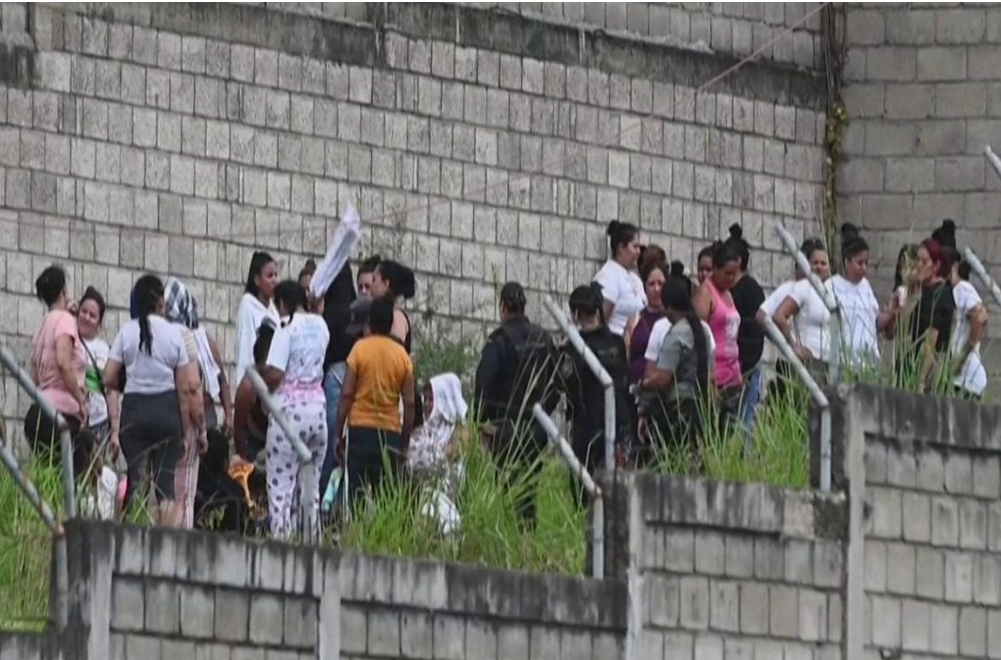
The recent outbreak of prison violence in Honduras, specifically the riot in a women’s jail resulting in the deaths of at least 41 inmates, has shocked the nation and garnered international attention. This essay aims to delve into the underlying factors contributing to the incident, assess the conditions within the Honduran prison system, and discuss the implications for the country’s criminal justice system and human rights record. By examining the systemic issues and proposing potential solutions, we can better understand the complexities surrounding prison violence in Honduras.
The State of Honduras’ Prison System and to comprehend the gravity of the women’s jail riot, it is crucial to consider the broader context of the Honduran prison system. Honduras has long struggled with overcrowded prisons, underfunding, corruption, and a lack of effective rehabilitation programs. These issues have contributed to an environment of violence, where criminal organizations often maintain control over inmate populations, leading to riots, extortion, and gang recruitment within prisons.
Overcrowding is one of the most pressing challenges facing the Honduran prison system. Facilities designed to hold a certain number of inmates are often filled to double or triple their capacity. This overcrowding exacerbates tensions, increases the likelihood of violence, and hampers authorities’ ability to maintain order and ensure the safety of inmates.
Moreover, corruption within the prison system, including the complicity of prison officials in criminal activities, undermines any efforts to establish a secure and rehabilitative environment. This fosters a culture of impunity and perpetuates a cycle of violence both inside and outside the prison walls.
Causes and Consequences of the Women’s Jail Riot; The outbreak of violence in the women’s jail highlights a range of factors that contributed to the incident. The specific triggers may vary, but underlying causes typically include inter-gang rivalries, disputes over control within the prison, lack of adequate resources, and a failure to address the needs of incarcerated individuals.
Additionally, the absence of proper rehabilitation programs and limited access to education and vocational training exacerbate feelings of hopelessness among inmates. The lack of opportunities for personal growth and skill development often leads to frustration and increased tensions within the prison environment.
The consequences of the women’s jail riot extend beyond the immediate loss of life. It serves as a stark reminder of the urgent need for comprehensive prison reform and underscores the systemic challenges faced by the Honduran criminal justice system. Moreover, incidents of prison violence can have a detrimental impact on public confidence in the government’s ability to maintain law and order, potentially fueling further unrest and undermining social stability.
Addressing the Challenges and Seeking Solutions, to address the persistent prison violence in Honduras, a multi-faceted approach is necessary, encompassing legal, institutional, and social reforms. The following are key steps that should be considered:
- Prison infrastructure and capacity: Investments should be made to improve prison infrastructure and expand capacity to alleviate overcrowding. Constructing new facilities and implementing better security measures would help maintain order and reduce violence.
- Rehabilitation and reintegration: Fostering a rehabilitative environment within prisons is crucial. Comprehensive rehabilitation programs should be developed, focusing on education, vocational training, mental health support, and substance abuse treatment. These programs can equip inmates with the necessary skills and resources for successful reintegration into society upon release.
- Strengthening prison staff and combating corruption: Recruitment and training of qualified prison staff should be prioritized. Stringent background checks and accountability mechanisms must be implemented to root out corruption and prevent collusion with criminal elements.
- Judicial reforms: Ensuring a fair and efficient justice system is essential. This includes reducing pretrial detention, improving access to legal representation, and enhancing transparency and accountability in the judicial process

