
World
Surviving Like ‘Children of the Jungle, Colombian President Says About Missing Children Found After 40 Days in the Amazon.

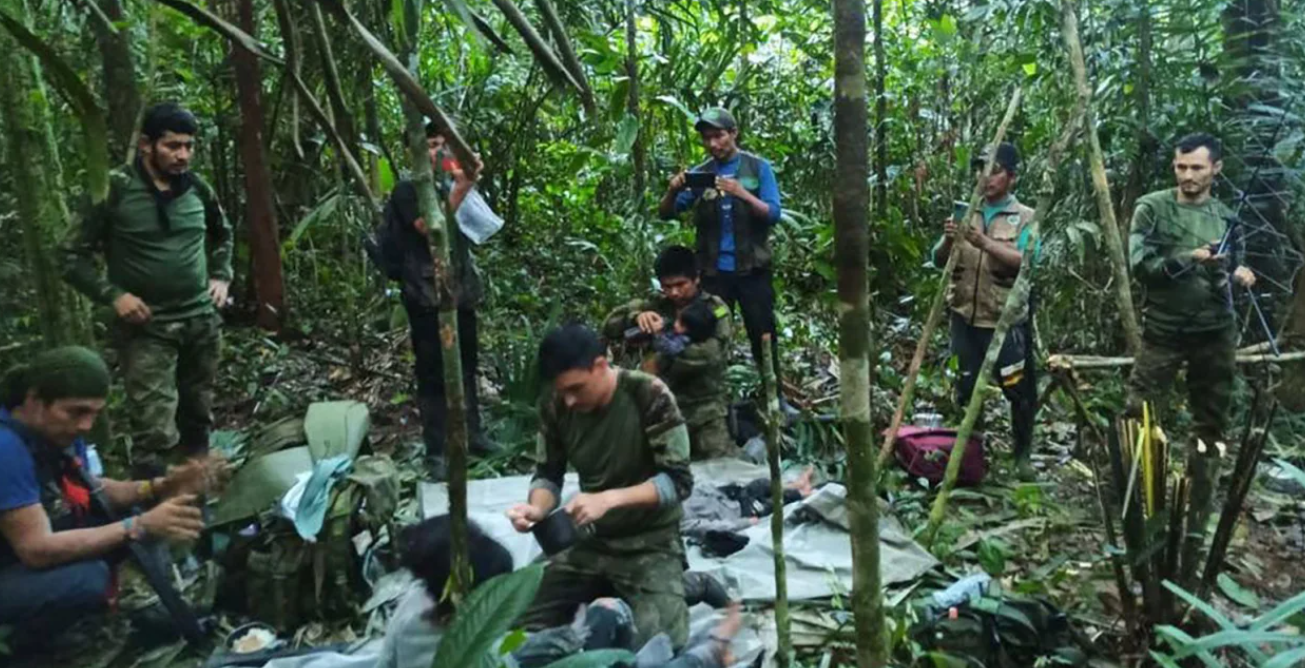
In a remarkable tale of survival, a group of missing children has been found alive after 40 days in the Amazon rainforest. Colombian President Iván Duque described their survival as resembling that of “children of the jungle,” highlighting their resilience and the challenges they faced during their ordeal. This article explores the inspiring story of these children, examining their journey, the search and rescue efforts, and the psychological and physical implications of their experience.
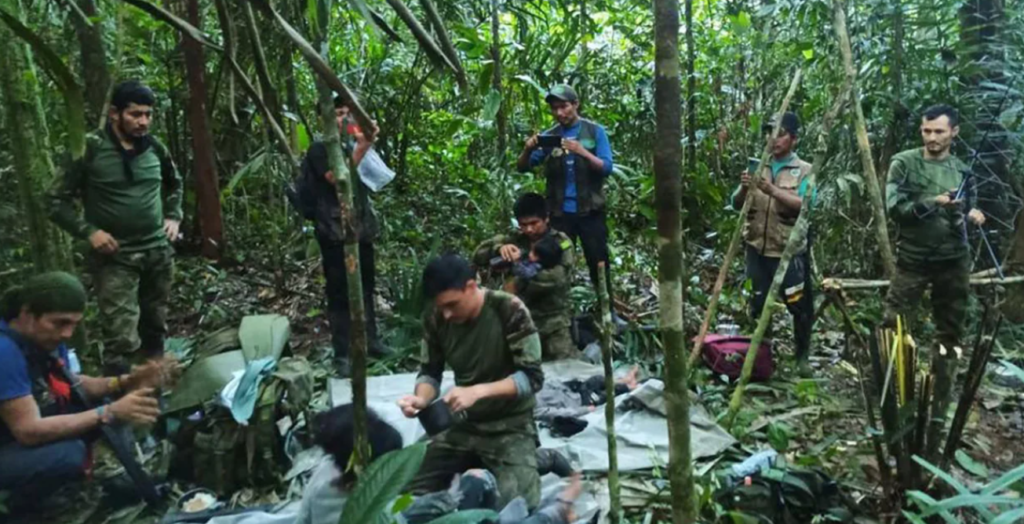
Journey and Ordeal of the group of missing children, aged between 6 and 10, had embarked on a journey to explore the Amazon rainforest but had become lost. They endured an arduous 40-day ordeal, surviving by drinking from rivers and eating berries and insects they found in the jungle. Their ability to adapt and sustain themselves in such a challenging environment is a testament to their resourcefulness and resilience.
The extensive search and rescue operation involved hundreds of personnel, including military, police, and indigenous community members. The rugged and dense terrain of the Amazon posed numerous challenges, making the search difficult and time-consuming. Despite the obstacles, the collective efforts and determination of the search teams ultimately led to the discovery of the missing children.
The Physical and Psychological Implications of the survival of the children under such extreme conditions raise questions about the physical and psychological implications of their experience. While they exhibited remarkable resilience, it is crucial to recognize the potential long-term effects they may face.
Physically, the children likely experienced malnutrition, dehydration, exposure to the elements, and the risk of insect bites and diseases. They may require medical attention and monitoring to ensure their physical well-being is restored. Additionally, their reintegration into society will necessitate support and care to address any long-term physical health issues that may arise.
Psychologically, the children may have endured significant trauma during their time in the jungle. The psychological impact of such an experience can be profound, resulting in post-traumatic stress disorder (PTSD), anxiety, depression, and other psychological challenges. It is crucial that the children receive specialized psychological support and counseling to help them process their ordeal and adjust to their normal lives.
The successful rescue of the missing children marks the beginning of a new phase in their lives. Reintegrating into society and readjusting to their daily routines will require comprehensive support systems. It is essential that they receive appropriate care, including physical and mental health services, education, and social support.
Government agencies, non-governmental organizations (NGOs), and local communities should collaborate to provide ongoing support to the children and their families. This support should include access to education, counseling services, and programs that facilitate their healing and reintegration.
The incredible survival story of the missing children found after 40 days in the Amazon showcases the indomitable spirit and adaptability of the human capacity to overcome adversity. It also highlights the importance of robust search and rescue operations, as well as the need for comprehensive support for those who have experienced traumatic events. The focus now should be on providing the necessary physical and psychological care to help these children recover and reintegrate into society, ensuring that their survival serves as a source of inspiration and resilience for others.

