
Education
Personal hygiene practices that are essential for maintaining good health
Personal hygiene practices that are essential for maintaining good health

Personal hygiene is essential for maintaining good health and preventing the spread of infectious diseases. It involves the practice of keeping oneself clean and healthy by maintaining proper cleanliness and sanitation habits. Personal hygiene is an important aspect of our daily lives, and it is essential to follow some basic hygiene practices to stay healthy and hygienic. In this article, we will discuss ten personal hygiene practices that are crucial for maintaining good health.
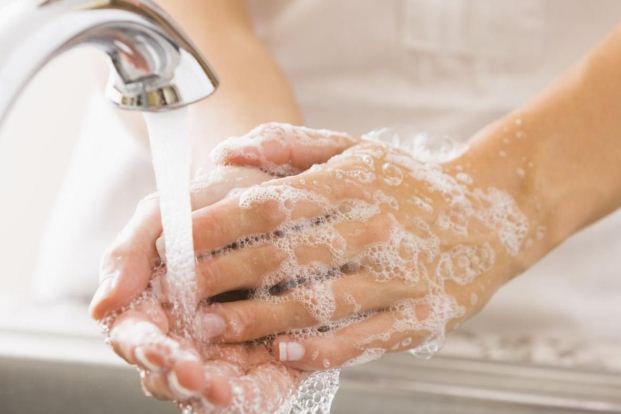
- Washing Hands: Washing hands is one of the most crucial personal hygiene practices that everyone should follow. Hands come in contact with various germs and bacteria throughout the day, and washing them regularly can help prevent the spread of infectious diseases. Washing hands with soap and water for at least 20 seconds is recommended, especially before eating, after using the restroom, or after handling pets.
- Brushing Teeth: Brushing teeth twice a day is another essential personal hygiene practice that everyone should follow. Brushing teeth removes food particles and plaque from the mouth, which can cause tooth decay and bad breath. Use fluoride toothpaste and a soft-bristled toothbrush to ensure proper cleaning. Flossing regularly can also help remove food particles from between teeth and improve overall oral hygiene.
- Bathing: Taking a bath or shower regularly is necessary to maintain personal hygiene. Bathing helps remove dirt, sweat, and dead skin cells from the body, which can cause body odor and skin infections. Use a mild soap or body wash and warm water to bathe and ensure proper cleaning of the body. Pay special attention to areas that are prone to sweating, such as the underarms, groin, and feet.
- Hair Care: Proper hair care is also an essential aspect of personal hygiene. Regularly washing hair with shampoo and conditioner can help remove dirt, oil, and sweat from the scalp and hair, preventing dandruff and hair loss. Use a mild shampoo and conditioner and avoid using too much heat on the hair, such as blow-drying or straightening, as it can damage the hair.
- Nail Care: Keeping nails clean and trimmed is essential for maintaining personal hygiene. Dirty and long nails can harbor germs and bacteria, leading to infections. Regularly trim nails and clean them using a nail brush and soap or use a nail cleaner tool to ensure proper cleaning.
- Wearing Clean Clothes: Wearing clean clothes is necessary for personal hygiene. Clothes can easily accumulate dirt, sweat, and bacteria, leading to body odor and skin infections. Change clothes regularly, especially after sweating or coming in contact with dirt or germs. Use a detergent that suits your skin and wash clothes in warm water to ensure proper cleaning.
- Using Clean Towels: Using clean towels is essential for maintaining personal hygiene. Towels can easily harbor germs and bacteria, leading to infections. Use a clean towel after bathing or washing hands and wash them regularly to ensure proper cleaning.
- Foot Care: Proper foot care is crucial for maintaining personal hygiene. Regularly washing feet with soap and water and keeping them dry can help prevent fungal infections and foot odor. Wearing clean socks and shoes is also necessary for maintaining foot hygiene.
- Using Deodorant: Using deodorant or antiperspirant is essential for maintaining personal hygiene. It helps prevent body odor by reducing the amount of sweat and bacteria on the skin. Choose a deodorant that suits your skin and apply it regularly, especially after bathing or exercising.
- Proper Disposal of Waste: Proper disposal of waste is crucial for maintaining personal hygiene and preventing the spread of infectious diseases. Dispose of waste, such as tissues, sanitary pads, and diapers, in a proper waste bin and avoid flushing them in the toilet. Wash hands after disposing of waste to prevent the spread of germs.
- Also; read more on; What Men should do to Make Pennis Strong and Healthy


Continue Reading