
World
Why China’s J-20 Isn’t a Dominating Aircraft,” USAF General Says

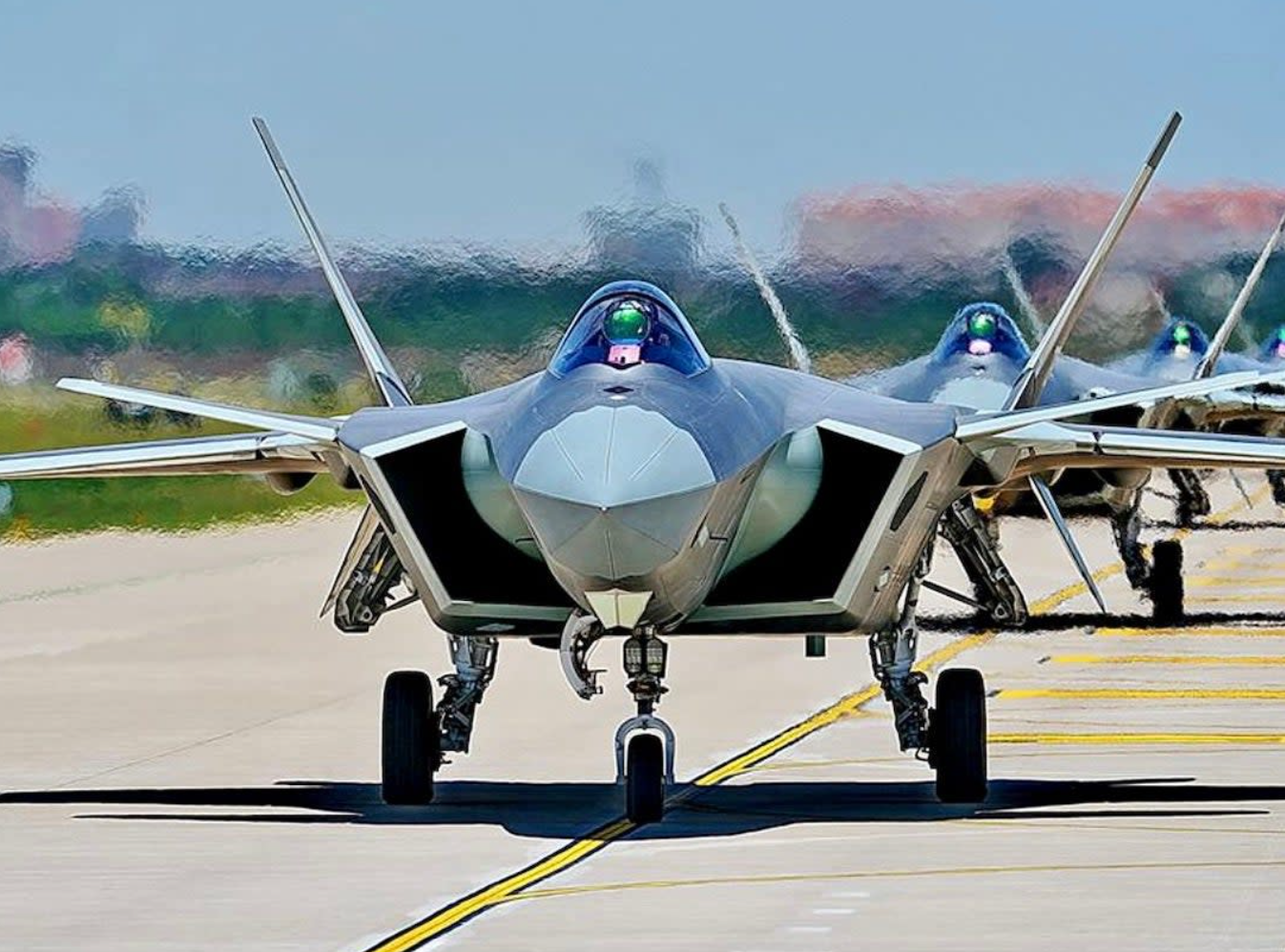
In the realm of military aviation, the race for supremacy has been a constant theme for decades. Among the most closely watched developments is the emergence of China’s Chengdu J-20, a fifth-generation stealth fighter jet touted as a potential game-changer. However, despite the hype surrounding the J-20, a prominent statement from a United States Air Force (USAF) general challenges the notion that it is a “dominating aircraft.” In this article, we will delve into the key reasons behind the USAF general’s assertion and explore the broader context of China’s military aviation capabilities.
Understanding the J-20
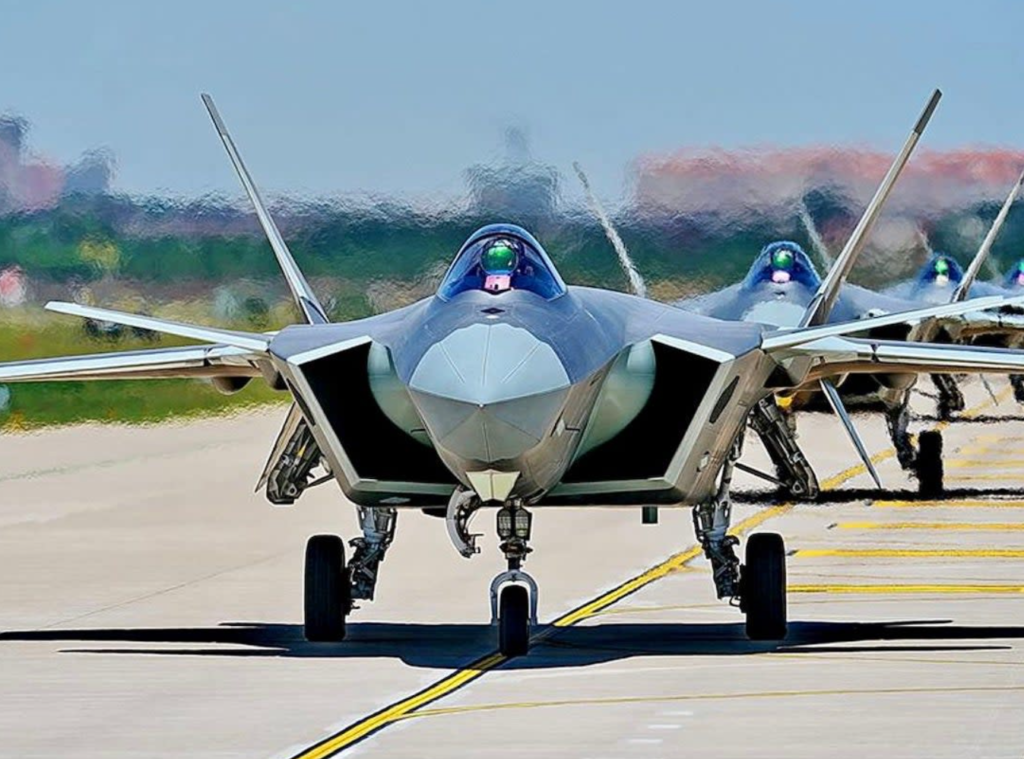
Before delving into the debate, it is crucial to understand the J-20 itself. The Chengdu J-20 is China’s first indigenously developed fifth-generation fighter aircraft. Introduced into service in 2017, it marked a significant step in China’s quest to bolster its air power and challenge Western dominance in military aviation. The J-20 boasts stealth capabilities, advanced avionics, and the ability to carry a variety of air-to-air and air-to-surface missiles.
The USAF General’s Perspective
In early 2023, a USAF general made headlines when he described the J-20 as not being a “dominating aircraft.” This assertion raised eyebrows among defense analysts and sparked a renewed debate about the J-20’s true capabilities. The general’s statement can be examined through several lenses:
- Comparative Analysis: To assess the J-20’s prowess, it is essential to compare it to existing fifth-generation fighters like the F-22 Raptor and the F-35 Lightning II. According to the USAF general, the J-20 lags behind in areas like sensor fusion, electronic warfare capabilities, and networking. While it may have stealth capabilities, it does not possess the same level of integration and situational awareness as its American counterparts.
- Operational Experience: Another critical aspect of the general statement is the importance of operational experience. The F-22 and F-35 have been in service for several years, allowing the USAF to accumulate invaluable insights and data. In contrast, the J-20 is relatively new, and its operational performance remains untested in a real-world combat scenario.
- Logistical Challenges: The USAF general also raised concerns about the logistics of maintaining and supporting the J-20 fleet. Given the complex nature of fifth-generation aircraft, including the need for specialized facilities and extensive maintenance, he questioned China’s ability to sustain a large operational fleet over time.
- Technological Dependence: The United States has a vast network of allies and partners who operate American-made fighter jets. These allies share data, technology, and operational experience, which enhances the overall effectiveness of American air power. China, on the other hand, lacks a similar global network, which can limit its ability to rapidly improve and adapt its aircraft.
Broader Context
To understand the full picture, it is crucial to consider the broader context of China’s military aviation capabilities:
- Technological Progress: China has made significant strides in military technology, including aircraft development. The J-20 represents a leap forward in China’s indigenous defense industry and demonstrates its commitment to reducing its reliance on foreign military hardware.
- Quantity vs. Quality: While the USAF general’s statement raises valid points, it is essential to recognize that quantity can be a factor in military effectiveness. China may not possess the same level of technological superiority, but it can compensate with a larger fleet of J-20s.
- Evolution Over Time: The development of military aircraft is an ongoing process. The J-20 may not be on par with the F-22 or F-35 today, but it could evolve and improve in the coming years. China has a track record of learning quickly from its military hardware developments.
- Global Influence: China’s military aviation capabilities extend beyond the J-20. It has been actively exporting its aircraft, such as the J-10 and JF-17, to other countries, which could enhance its influence in regional conflicts.
Conclusion
The assertion that China’s J-20 is not a “dominating aircraft,” as stated by a USAF general, opens up a nuanced and critical discussion. While it is clear that the J-20 may not match the capabilities of its American counterparts in various aspects, it represents a significant step forward for China’s military aviation industry. Additionally, the true measure of any military asset lies in its real-world performance, which remains untested for the J-20.
The debate surrounding the J-20 should be viewed as part of a broader narrative of competition and technological advancement in the military aviation arena. As China continues to invest in its defense capabilities, it will likely make further strides, and the balance of power in the skies may evolve in unpredictable ways. The assertion by the USAF general serves as a reminder that in the ever-evolving world of military aviation, perceptions and realities are often two distinct entities and the true impact of a particular aircraft is revealed only in the crucible of conflict.

