
News
Putin’s Alleged Directive: The Impact on Russia’s Costly Attacks in Ukraine

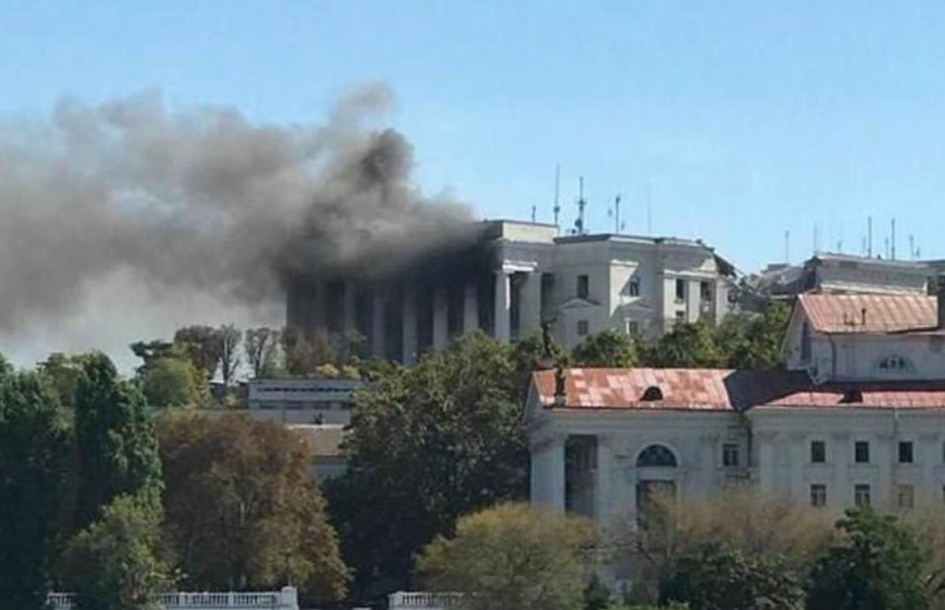
Recent reports suggesting that Russian President Vladimir Putin ordered his defense minister to halt Ukraine’s counteroffensive within a month have garnered significant attention. This alleged directive provides insights into Russia’s military strategy in Ukraine and may shed light on the motivations behind the costly attacks that continue to unfold. In this analysis, we will delve into the implications of Putin’s rumored order and how it may be influencing Russia’s ongoing military actions.
I. The Alleged Directive:
According to an insider source, President Putin reportedly instructed his defense minister to put an end to Ukraine’s counteroffensive within a month. While the authenticity of this claim remains unverified, its potential impact on the conflict cannot be underestimated.
II. The Costly Attacks in Ukraine:
Russia’s military actions in Ukraine have often been characterized by costly offensives, high casualties, and significant resource expenditure. These actions have raised questions about the underlying strategy driving Russia’s approach.
III. Potential Implications:
A. Timed Deadline:
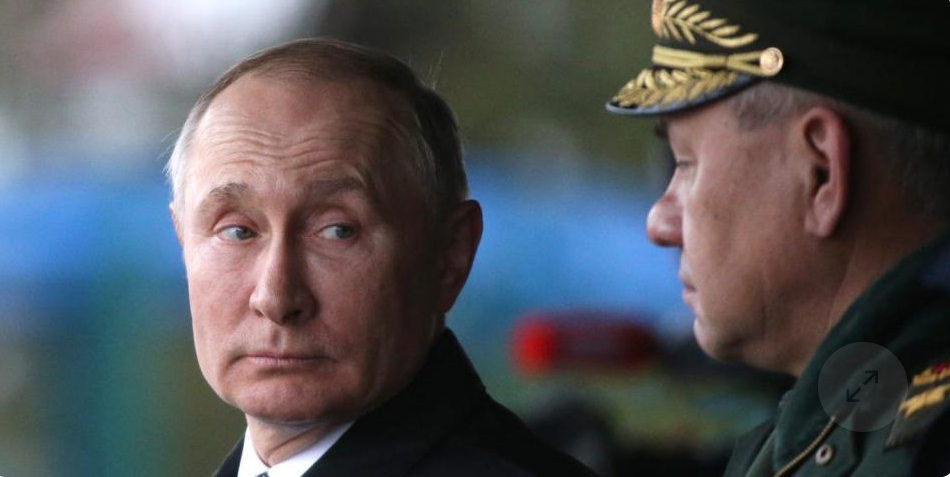
If Putin did indeed issue a one-month deadline, it suggests a sense of urgency on Russia’s part. This deadline may have contributed to the rapid and intensive nature of Russia’s attacks in Ukraine, as they seek to achieve their objectives within the set timeframe.
B. Domestic and International Factors:
Pressure from domestic constituencies and international actors may be influencing Putin’s decisions. Maintaining the perception of strength and decisiveness on the global stage can be vital for a leader facing various domestic and international challenges.
C. Geopolitical Objectives:
Putin’s directive could be tied to broader geopolitical objectives, such as the desire to assert Russian dominance in the region, gain control of strategic territories, or influence the ongoing negotiations and peace talks.
IV. The Human Cost:
Russia’s aggressive military actions have resulted in significant human suffering, both for Ukrainian civilians and Russian soldiers. The alleged directive may explain why Russia has been willing to endure such high costs in terms of lives lost and economic resources expended.
V. Impact on Diplomacy:
The alleged directive and Russia’s military strategy may complicate diplomatic efforts to resolve the conflict. It could lead to a hardening of positions on both sides and make negotiations more challenging.
VI. The Role of Misinformation:
It’s important to note that the accuracy of insider claims in conflicts can be challenging to verify, and misinformation is a known tool in modern warfare. The alleged directive may be part of an information campaign by one of the involved parties to shape perceptions of the conflict.
The alleged directive from President Putin to halt Ukraine’s counteroffensive within a month is a significant development in the ongoing conflict. It provides valuable insights into Russia’s military strategy and the potential motivations behind its costly attacks. Whether true or not, this directive underscores the complexity of the situation, the human toll of the conflict, and the challenges faced by diplomats seeking to negotiate a resolution. As the conflict continues to evolve, the impact of this alleged directive will undoubtedly be a subject of ongoing analysis and debate in the context of the broader Ukraine-Russia crisis.

