
Politics
The Reason I Run For Nigerian President: TINUBU

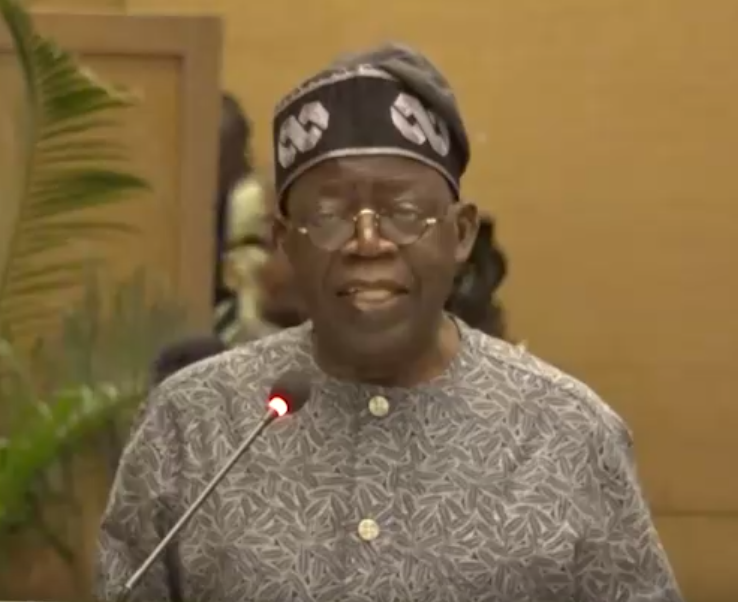
In a nation characterized by complex challenges and enduring strife, Laid my candidacy for the presidency. This comes at a critical juncture in Nigeria’s history, where issues such as security threats, economic instability, and political polarization have created a leadership deficit. Tinubu’s decision to run is framed by his belief that the country requires a unifying and visionary leader to tackle these pressing problems. In this comprehensive analysis, we will explore Tinubu’s background, the leadership challenges facing Nigeria, his motivations for running, and the potential implications of him as President.
Tinubu’s Political Background
Bola Ahmed Tinubu, often referred to as the “Jagaban of Borgu,” has a long and influential history in Nigerian politics. Born on March 29, 1952, in Lagos State, he graduated with a degree in Accounting from Chicago State University and subsequently pursued a career in business. Tinubu’s political journey began in the late 1990s when he entered the Nigerian political arena. Some key aspects of his political background include:
- Governorship of Lagos State: Tinubu served as the Governor of Lagos State from 1999 to 2007. During his tenure, he earned a reputation for implementing progressive policies and infrastructure development in Lagos, transforming it into one of Nigeria’s most economically vibrant states.
- Role in the APC: He played a pivotal role in the formation of the All Progressives Congress (APC), a merger of four opposition parties in 2013. The APC has since become a major political force in Nigeria, and Tinubu remains a central figure within the party.
- Political Influence: Tinubu’s political influence extends beyond Lagos State. He is known for his ability to mobilize support and shape political outcomes in several Nigerian states, particularly in the southwestern region.
Nigeria’s Leadership Challenges
Nigeria, often referred to as the “Giant of Africa” due to its size and population, faces a myriad of challenges that have contributed to a leadership deficit:
- Security Concerns: The country grapples with various security threats, including terrorism, insurgency, banditry, and communal clashes. These issues have resulted in loss of lives, displacement of communities, and economic instability.
- Economic Instability: Nigeria’s economy is marked by volatility in oil prices, high inflation, and significant unemployment rates. The country’s overreliance on oil exports has made it vulnerable to global market fluctuations.
- Corruption: Corruption remains deeply entrenched within Nigerian society and government institutions. This pervasive issue hinders economic growth, deters foreign investment, and undermines public trust in leadership.
- Ethnic and Regional Divisions: Nigeria is a diverse nation with over 250 ethnic groups, creating complex dynamics. Managing these diversities and fostering national unity have been ongoing challenges.
Tinubu’s Motivations for Running
In announcing his candidacy for the presidency, Tinubu has highlighted several key motivations:
- Leadership Deficit: He contends that Nigeria is suffering from a leadership deficit, which has contributed to the persistence of its challenges. Tinubu sees himself as a unifying and visionary leader who can address these issues effectively.
- National Unity: Tinubu emphasizes the importance of fostering national unity by addressing ethnic and regional divides. He believes that a united Nigeria is essential for achieving progress and development.
- Security: Recognizing the urgent need to tackle security concerns, Tinubu proposes a comprehensive approach that involves strengthening security forces, enhancing intelligence capabilities, and engaging in dialogue with relevant stakeholders.
- Economic Reforms: Tinubu pledges to revitalize key sectors of the economy, promote investment, and create jobs for Nigerian youth. His vision includes diversifying the economy beyond oil and implementing sound economic policies.
- Anti-Corruption: He commits to fighting corruption within the government and various sectors, vowing to strengthen anti-corruption institutions and ensure transparency and accountability.
- Electoral Dynamics: His candidacy adds depth to the field of contenders, potentially influencing the electoral dynamics. His influence in the southwestern region could be pivotal in securing votes.
- Policy Focus: Tinubu’s campaign could help shift the national discourse towards important issues, such as security, economic stability, and corruption, fostering a more informed electorate.
- Unity or Division: Depending on the course of the campaign, Tinubu’s candidacy may either help bridge divides or exacerbate existing tensions, particularly along ethnic and regional lines.
- Economic Reforms: If elected, Tinubu’s commitment to economic revitalization could have a significant impact on Nigeria’s economic stability and growth prospects.
- Anti-Corruption Drive: His pledge to fight corruption may encourage a renewed emphasis on accountability and transparency within government institutions.
Bola Ahmed Tinubu’s now as President of Nigeria reflects his belief that the country requires a unifying and visionary leader to address its pressing challenges. His political background, policy proposals, and motivations for running indicate that he aims to address issues such as security threats, economic instability, and corruption while fostering national unity. However, his candidacy also brings a heightened sense of competition and scrutiny to the presidential race, setting the stage for a dynamic and potentially transformative electoral process. Tinubu’s leadership is an aspiration for a brighter future for Nigerians.

