
News
Glenda Jackson’s passing leaves a void in the world.

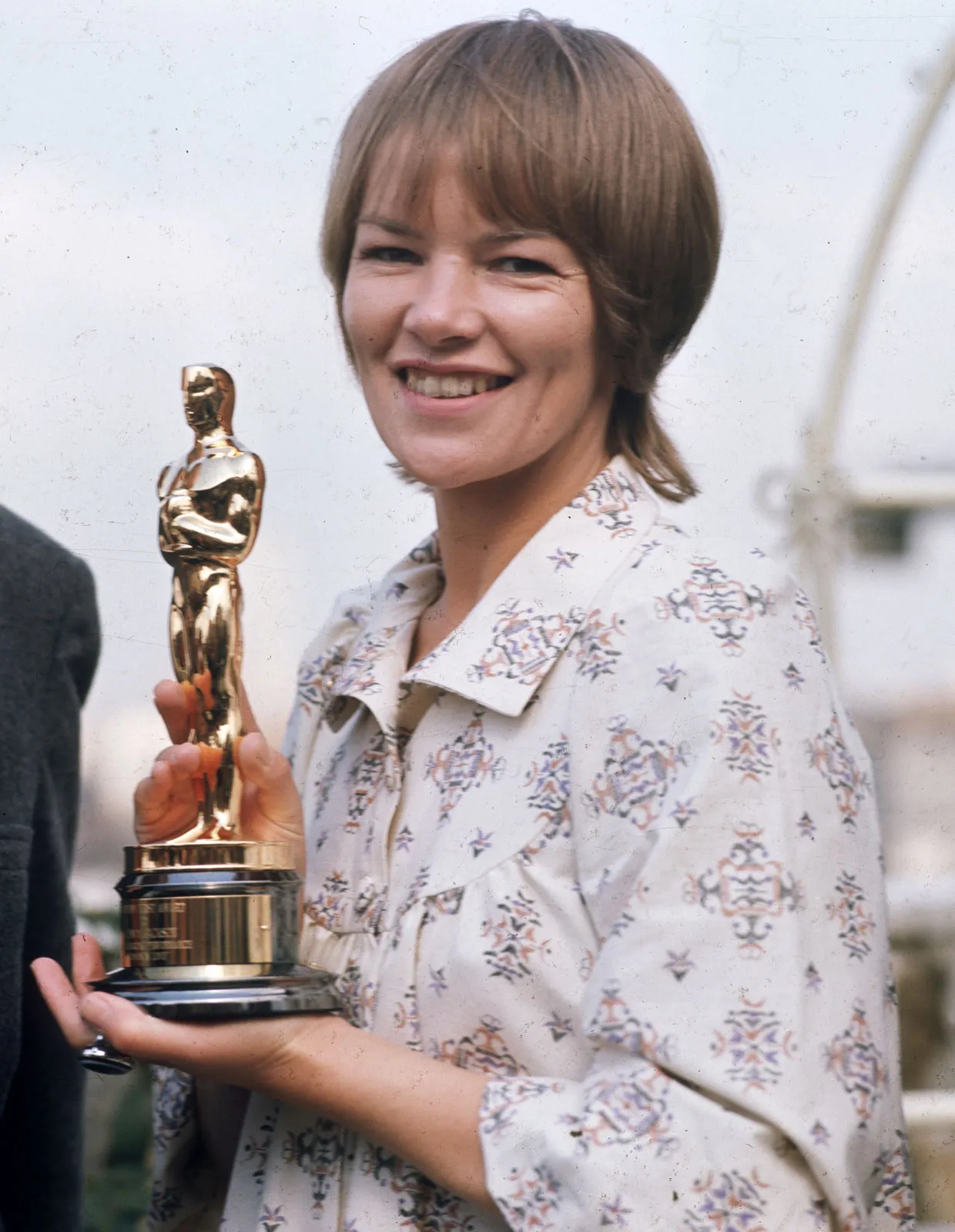
Glenda Jackson, the remarkable British actress who seamlessly transitioned between a successful acting career and a passionate involvement in politics, has passed away at the age of 87. Known for her exceptional talent and commanding stage presence, Jackson’s contributions to both the performing arts and political landscape were profound. Her impressive resume boasts two Academy Awards, numerous acclaimed stage performances, and a decade-long political career as a Member of Parliament. This article pays tribute to Glenda Jackson, celebrating her achievements as an actress and highlighting her remarkable dedication to public service.
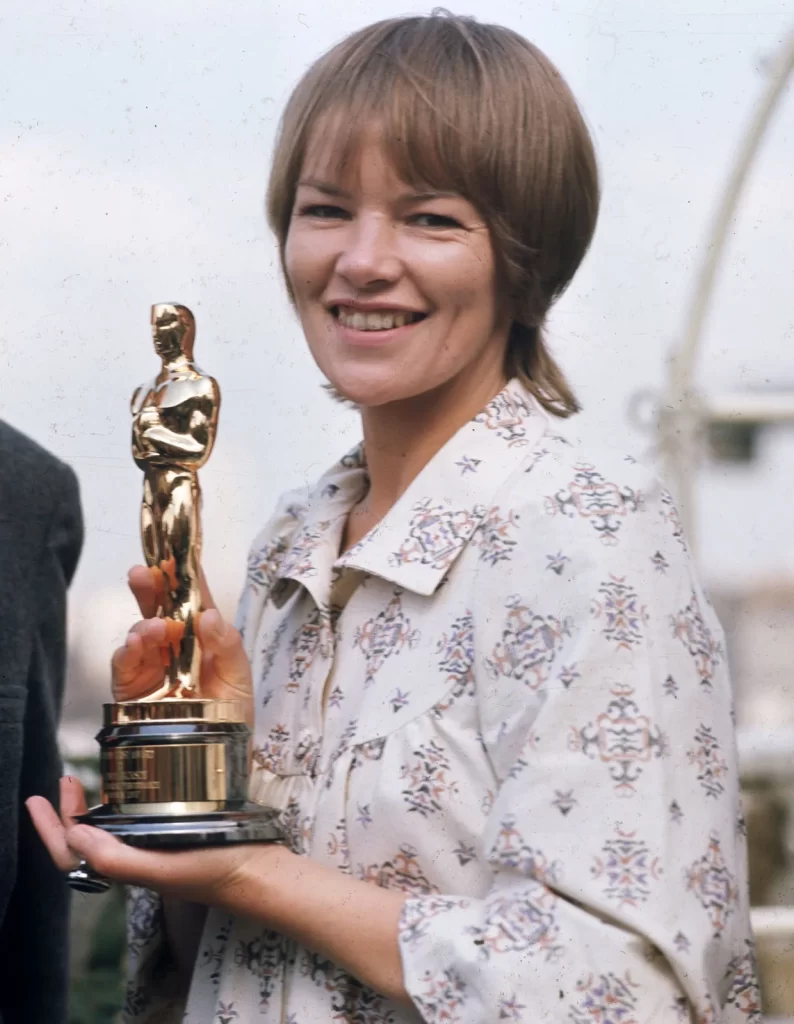
Glenda Jackson’s acting career was a testament to her undeniable talent and versatility. Born on May 9, 1936, in Birkenhead, England, she discovered her passion for the arts at an early age. After training at the Royal Academy of Dramatic Art, she began her acting journey in the 1950s, making her stage debut in the play “Separate Tables.” Jackson’s natural talent and charisma quickly captivated audiences, leading to numerous successful theatrical performances.
In the 1960s and 1970s, Glenda Jackson transitioned to the silver screen, establishing herself as one of the most accomplished actresses of her time. Her breakthrough role came in 1969 when she portrayed Queen Elizabeth I in the historical drama film “Elizabeth R.” This extraordinary performance earned her critical acclaim, a Primetime Emmy Award, and the first of her two Academy Awards for Best Actress.
Jackson continued to deliver stellar performances in a variety of genres, showcasing her range and command over her craft. Notable films include “Women in Love” (1969), which earned her a second Academy Award, “Sunday Bloody Sunday” (1971), “A Touch of Class” (1973), and “Hedda” (1975). Her ability to convey complex emotions with depth and nuance made her an iconic figure in the film industry.
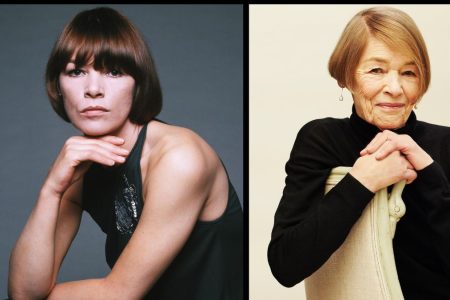
While at the peak of her acting career, Glenda Jackson embarked on a new chapter in her life by venturing into politics. In 1992, she announced her intention to retire from acting and joined the British Labour Party. Her decision surprised many, as she had achieved unparalleled success in the entertainment industry.
Jackson’s political career began in 1992 when she was elected as the Member of Parliament for the Hampstead and Highgate constituency in London. She dedicated herself to advocating for social justice, education, and the arts. Known for her unwavering commitment and fiery speeches, she became a prominent figure within the Labour Party.
During her time in Parliament, Jackson fearlessly championed causes close to her heart. She advocated for the rights of the elderly, fought against cuts to public services, and was a vocal critic of the Iraq War. Her unique ability to blend her theatrical background with political activism made her an influential voice in the British political landscape.
Legacy and Impact (300 words): Glenda Jackson’s remarkable life and career left an indelible mark on both the entertainment industry and politics. Her contributions as an actress earned her recognition and respect from peers and audiences alike. She was admired for her powerful portrayals of complex characters, her fearlessness in taking on challenging roles, and her ability to captivate audiences on stage and screen.
Beyond her acting prowess, Jackson’s decision to enter politics showcased her deep commitment to public service. She proved that one’s passions need not be confined to a single arena and that artists can use their influence to effect positive change in society. Her political career inspired many, showing that a successful transition from the arts to politics is possible.

