
World
Italian newspapers report Pope used vulgar Italian words to refer to LGBT people

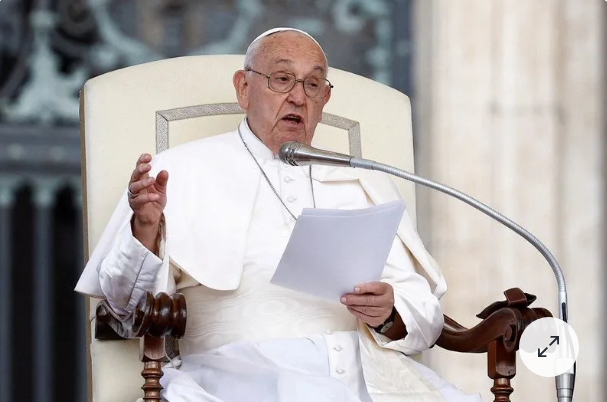
Reports alleging that the Pope used a vulgar Italian word to refer to LGBT people have stirred controversy and sparked discussions about language, tolerance, and the Church’s stance on LGBTQ+ issues. While the Vatican has not officially confirmed or denied these reports, the alleged incident has nonetheless captured public attention and raised questions about the Pope’s views and the Church’s approach to inclusivity.
The reported use of a vulgar Italian word by the Pope in reference to LGBT individuals has understandably elicited strong reactions from various quarters. For many, such language, if true, is deeply troubling and runs counter to the message of love, acceptance, and compassion that the Church espouses. It underscores the challenges faced by LGBTQ+ individuals in seeking acceptance and understanding within religious communities, where they often encounter prejudice and discrimination.
At the same time, it’s essential to approach these reports with caution, given the potential for misinformation or misinterpretation. The context in which the alleged remark was made, as well as the Pope’s intentions, are crucial factors that must be considered before drawing conclusions. Without concrete evidence or official confirmation from the Vatican, it’s challenging to ascertain the veracity of these reports definitively.
Nevertheless, the mere existence of such reports highlights the complexities surrounding LGBTQ+ issues within the Catholic Church. While Pope Francis has been praised for his more progressive rhetoric on certain social issues, including LGBTQ+ rights, his stance on homosexuality and same-sex relationships remains a subject of debate and interpretation. Some view his statements and actions as indicative of a more inclusive and compassionate approach, while others perceive them as falling short of genuine acceptance and affirmation.
The Catholic Church’s teachings on homosexuality have long been a source of contention and debate within the faith community. Officially, the Church maintains that homosexual orientation is not sinful but considers homosexual acts to be contrary to natural law and therefore morally wrong. This position has led to criticism from LGBTQ+ advocates and progressive Catholics, who argue for a more affirming and inclusive approach that acknowledges the dignity and worth of all individuals, regardless of sexual orientation or gender identity.
Against this backdrop, reports of the Pope using a vulgar Italian word to refer to LGBT people underscore the ongoing tension between traditional doctrine and evolving social attitudes. They also highlight the importance of fostering dialogue and understanding within the Church on LGBTQ+ issues, as well as the need for greater sensitivity and respect in language and discourse.
Moving forward, it is essential for the Vatican to address these reports transparently and responsibly, providing clarity on the Pope’s alleged remarks and reaffirming the Church’s commitment to treating all individuals with dignity and respect. Moreover, there is a pressing need for continued dialogue and engagement within the Catholic community on LGBTQ+ issues, with a focus on promoting empathy, compassion, and acceptance for all members, regardless of sexual orientation or gender identity.
In conclusion, reports alleging that the Pope used a vulgar Italian word to refer to LGBT people have sparked controversy and raised important questions about language, tolerance, and the Church’s stance on LGBTQ+ issues. While the veracity of these reports remains uncertain, they nonetheless highlight the complexities and challenges surrounding LGBTQ+ acceptance within the Catholic Church and underscore the need for ongoing dialogue, understanding, and respect.

