
News
Nigeria’s Muhammadu Buhari: A Legacy of Kidnapping, Inflation, and Debt

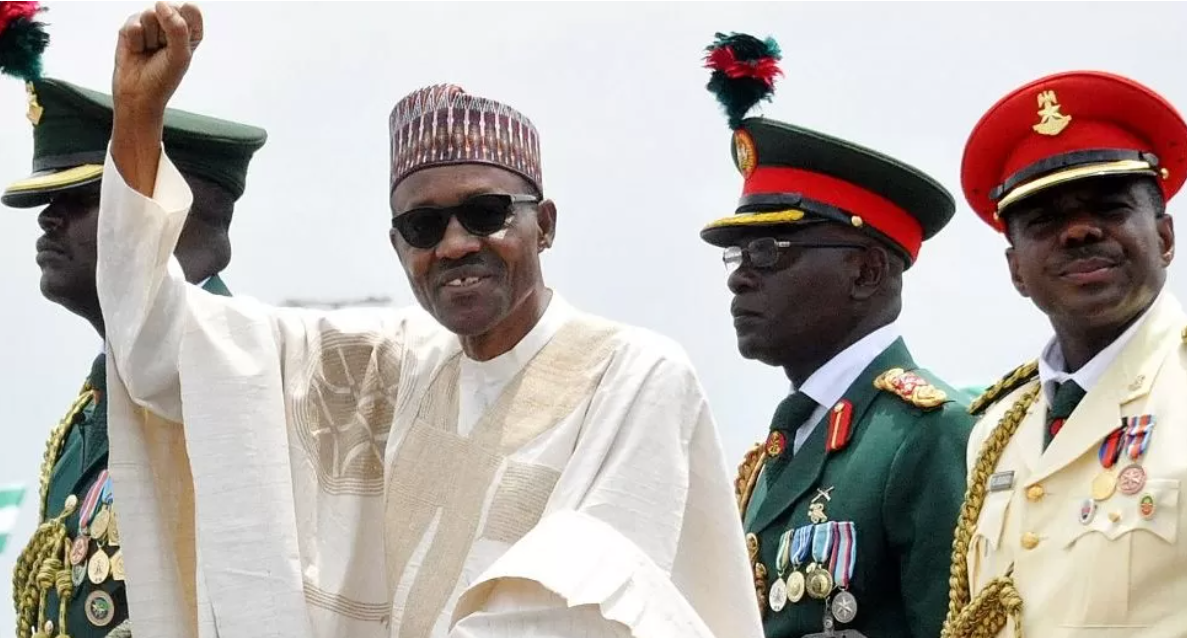
Muhammadu Buhari’s presidency in Nigeria has been marked by significant challenges, leaving behind a legacy characterized by escalating kidnapping incidents, rampant inflation, and burdensome national debt. Despite initial promises to tackle these issues and uplift the nation, Buhari’s administration has struggled to effectively address these pressing concerns, leading to increased hardship and skepticism among Nigerians. This essay explores the legacy of President Muhammadu Buhari, shedding light on the troubling rise in kidnapping cases, the persistent problem of inflation, and the mounting burden of the national debt.

One of the most distressing legacies of President Buhari’s tenure is the dramatic escalation of kidnapping incidents in Nigeria. Throughout his presidency, the country has witnessed a surge in high-profile abductions, mainly targeting schoolchildren and innocent civilians. The notorious Boko Haram insurgency and the emergence of other criminal organizations, such as bandits and militant groups, have compounded the security crisis. Buhari’s administration has struggled to curb this menace effectively, with a lack of adequate security measures, intelligence gathering, and a comprehensive strategy to address the root causes of kidnappings. This has resulted in a pervasive sense of fear and vulnerability among Nigerians, undermining social cohesion, and impeding economic progress.
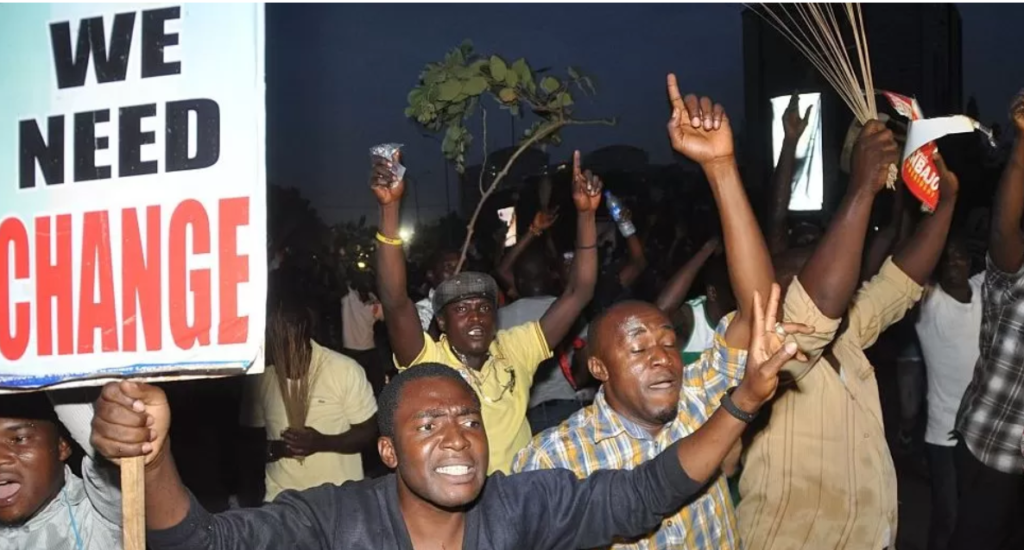
Nigeria has also grappled with persistent inflation during President Buhari’s tenure, posing significant challenges to the nation’s economy and the welfare of its citizens. The dwindling oil revenues, mismanagement of resources, and inadequate economic policies have contributed to soaring inflation rates. Buhari’s administration has failed to implement comprehensive structural reforms to diversify the economy and reduce its overreliance on oil, leaving Nigeria vulnerable to fluctuations in global oil prices. The resulting inflationary pressures have eroded the purchasing power of Nigerians, exacerbating poverty, and diminishing their quality of life. Moreover, the government’s fiscal policies, including the removal of fuel subsidies and currency devaluations, have further fueled inflation, disproportionately affecting the most vulnerable segments of society.
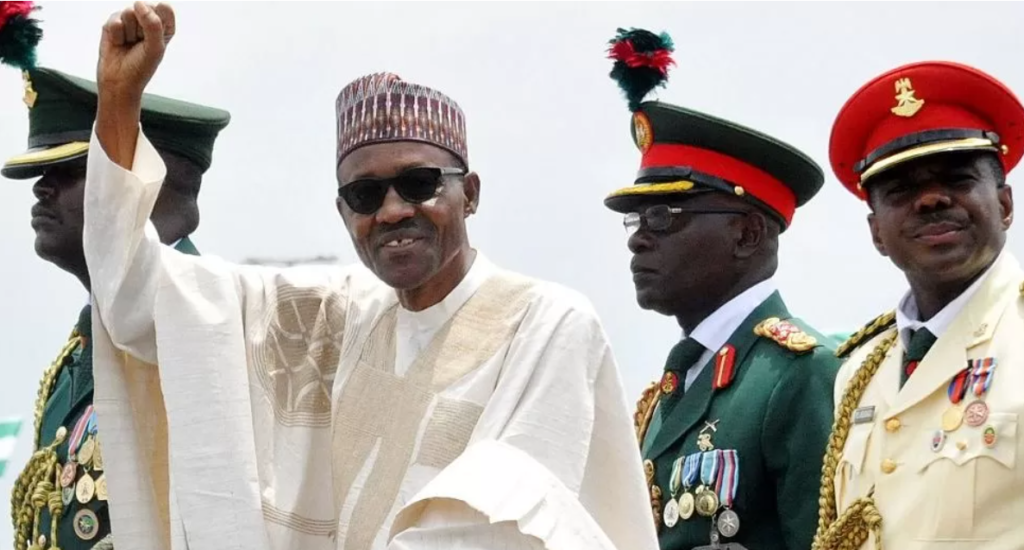
Another significant concern during Buhari’s presidency has been the rapid accumulation of national debt. Despite inheriting a substantial debt burden, his administration failed to effectively manage the country’s finances, leading to a steep rise in public debt. Nigeria’s external and domestic debt levels have reached alarming levels, placing a tremendous burden on future generations and constraining the nation’s development prospects. The inability to generate sufficient revenue, coupled with imprudent borrowing practices, has contributed to this precarious situation. Furthermore, the lack of transparency and accountability in debt management has raised concerns about corruption and the misallocation of funds. The burden of servicing the debt has diverted resources from critical sectors such as education, healthcare, and infrastructure, hindering Nigeria’s overall progress and exacerbating socioeconomic disparities.

Muhammadu Buhari’s presidency in Nigeria has left behind a legacy marred by kidnapping, inflation, and mounting national debt. The alarming surge in kidnapping incidents has created a climate of fear and insecurity, undermining social cohesion and economic stability. Persistent inflation, exacerbated by inadequate economic policies, has eroded the purchasing power of Nigerians, disproportionately affecting the most vulnerable segments of society. Moreover, the rapid accumulation of national debt, coupled with concerns about transparency and accountability, has imposed a heavy burden on future generations and hindered Nigeria’s development prospects. As President Buhari’s tenure ends, it is crucial for the incoming administration to address these pressing challenges head-on, implementing comprehensive strategies to enhance security and stability.

