
News
The Reason: Inclusion of Eight New Seats by G7

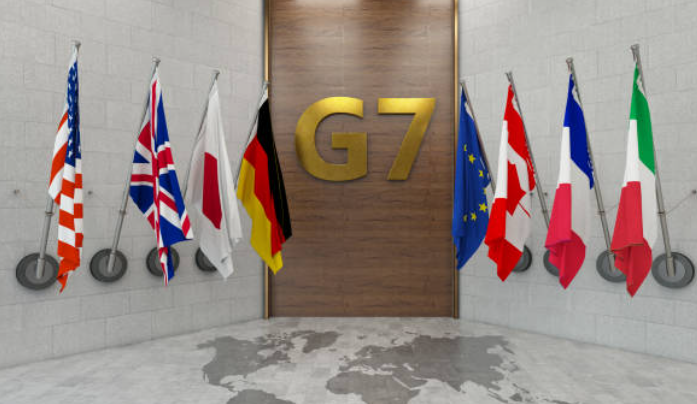
Introduction: The Group of Seven (G7) has long been recognized as a prominent international forum for addressing global challenges and promoting economic cooperation among the world’s leading industrialized nations. Traditionally comprising seven countries, the G7 has undergone a significant transformation this year by welcoming eight additional seats at the table. This essay aims to explore the reasons behind this expansion and highlight the potential benefits it brings to global governance.
- Geopolitical Realities: The expansion of the G7 table reflects the changing dynamics of the global political landscape. The inclusion of emerging economies and regional powers recognizes the need to address issues from a wider range of perspectives. By adding seats, the G7 can now accommodate a more diverse group of nations, representing different regions and global interests.
- Economic Powerhouses: The eight new seats at the G7 table have been granted to countries that possess significant economic influence and have demonstrated impressive growth rates. These nations, such as India, Brazil, China, South Africa, Mexico, Indonesia, South Korea, and Australia, boast robust economies and substantial trade volumes, contributing to global economic stability. Including them in the G7 fosters cooperation and collaboration between major economies, ultimately benefiting the global financial system.
- Representing Regional Interests: By adding eight new seats, the G7 aims to ensure better representation of regional interests across the globe. Each country brings unique perspectives, experiences, and challenges, allowing for a more comprehensive understanding of global issues. Regional representation encourages a balanced decision-making process, leading to more inclusive and effective policy outcomes.
- Strengthening Multilateralism: The G7 expansion is a testament to the continued importance of multilateralism in addressing global challenges. By including more countries, the G7 seeks to strengthen international cooperation and bridge the gap between developed and developing nations. The enlarged membership promotes dialogue and consensus-building, enhancing the legitimacy of global governance and fostering a sense of shared responsibility.
- Addressing Global Challenges: The expanded G7 table acknowledges the need to tackle complex global issues collectively. Challenges like climate change, global health crises, terrorism, inequality, and trade imbalances require a united and concerted effort. The additional seats facilitate a more diverse range of expertise, resources, and perspectives, enabling the G7 to formulate more holistic and effective strategies to address these pressing global challenges.
- Enhancing Global Stability: Including new members at the G7 table helps strengthen global stability and peace. The eight new countries possess regional influence and can play critical roles in resolving conflicts and fostering stability within their respective regions. Their participation in the G7 discussions facilitates coordination and cooperation on security matters, promoting peacekeeping efforts and reducing the likelihood of conflicts.
- Promoting Sustainable Development: The expanded G7 membership reinforces the commitment to sustainable development. Many of the new members are actively involved in promoting renewable energy, environmental conservation, and social development initiatives. Their inclusion encourages a stronger focus on sustainable practices, fostering the exchange of ideas and best practices to address environmental and social challenges on a global scale.
Conclusion: The decision to expand the G7 table by including eight new seats is a significant development in global governance. This expansion reflects the evolving geopolitical realities, the recognition of emerging economies, and the need for broader representation at the international decision-making level. By welcoming these countries, the G7 can tap into their unique perspectives, economic prowess, and regional expertise to effectively address global challenges, promote sustainable development, and enhance global stability. The inclusion of these eight seats marks a step forward in creating a more inclusive, representative, and cooperative international order.

